Home / Environment / BASF's Groundwater Fix: Expert Doubts Impact
BASF's Groundwater Fix: Expert Doubts Impact
6 Jul
Summary
- BASF is testing new groundwater containment at its Wyandotte plant.
- An expert questions if BASF's plan will meaningfully improve containment.
- The company's plan involves temporary wellfield shutdowns and cleaning screens.
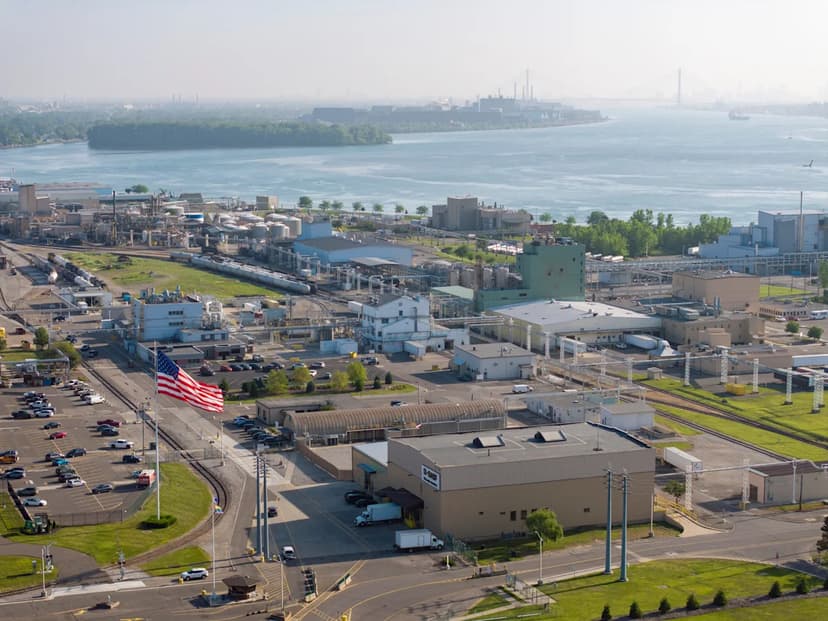
BASF is initiating a two-phase work plan at its Wyandotte plant to improve the containment of contaminated groundwater, a process overseen by the Michigan Department of Environment, Great Lakes, and Energy (EGLE). The plan, approved in March, aims to address concerns that the existing groundwater extraction system was not effectively preventing contaminants from reaching the Detroit River.
The initial phase involves a temporary shutdown of Wellfield C to assess its impact on the vacuum extraction system in other areas. If this does not yield sufficient improvement, the second phase will focus on cleaning clogged well screens to enhance pumping operations. BASF has stated that these phases are designed to isolate variables and understand what affects the capture zone.
Despite BASF's efforts and sampling results showing minimal detections, a Metro Detroit hydrogeologist, Brian O'Mara, views the work plan as insufficient. He suggests that installing larger wells and pumps would be a more effective interim solution for aggressive groundwater capture, capable of operating indefinitely.
This testing is a precursor to permanent perimeter barriers planned for construction between 2027 and 2029, with EPA approval received in late June. The long-term solution also includes collecting, extracting, and treating contaminated groundwater on-site before discharge.


