

Home / Environment / Lead Paint Chipping from Baltimore Bridges
Lead Paint Chipping from Baltimore Bridges
14 Apr
Summary
- Lead paint is falling from six Baltimore bridges, contaminating waterways.
- Specialized contractors are needed for complex lead abatement processes.
- Lead exposure poses severe health risks to children and adults.
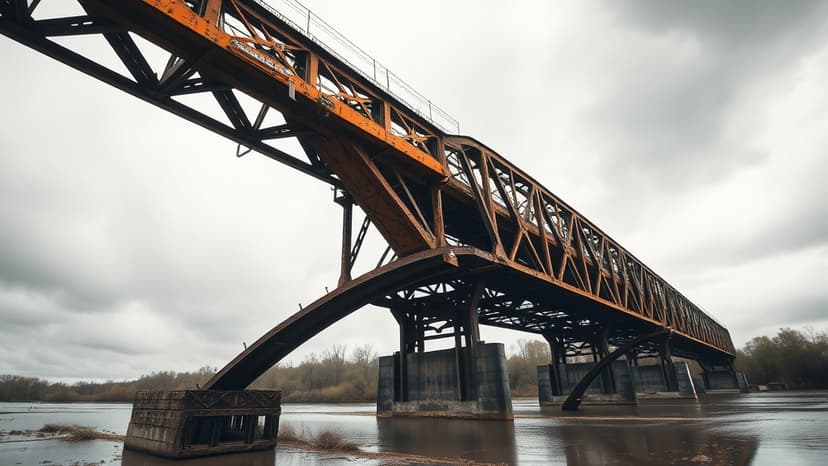
Six bridges in the Baltimore area are experiencing lead paint deterioration, with falling paint chips contaminating local waterways. Three of these bridges are under the jurisdiction of Baltimore city, while the remaining three are managed by the Maryland State Highway Administration.
The process of lead abatement is complex, requiring contractors with specialized certifications and containment systems. The Maryland Department of the Environment is actively reviewing response plans submitted by both the city and the SHA.
Officials are prioritizing actions to identify affected bridges and surrounding areas, prevent further paint chip release, and collect fallen debris. Ingested lead paint chips are a health hazard and can pollute waterways. Exposure to lead paint, deemed an "invisible danger" by the EPA, can cause irreversible damage in children, including learning disabilities and behavioral issues. Adults can also suffer from various health problems, such as high blood pressure and memory loss, even from minimal exposure.

