Home / Environment / Avian Flu Invades Oceans, Threatens Marine Life
Avian Flu Invades Oceans, Threatens Marine Life
25 Mar
Summary
- Highly pathogenic avian influenza (H5N1) now infects marine life globally.
- Tens of thousands of marine mammals died in recent South American outbreaks.
- H5N1 transmission is shifting to mammals, raising ecological concerns.
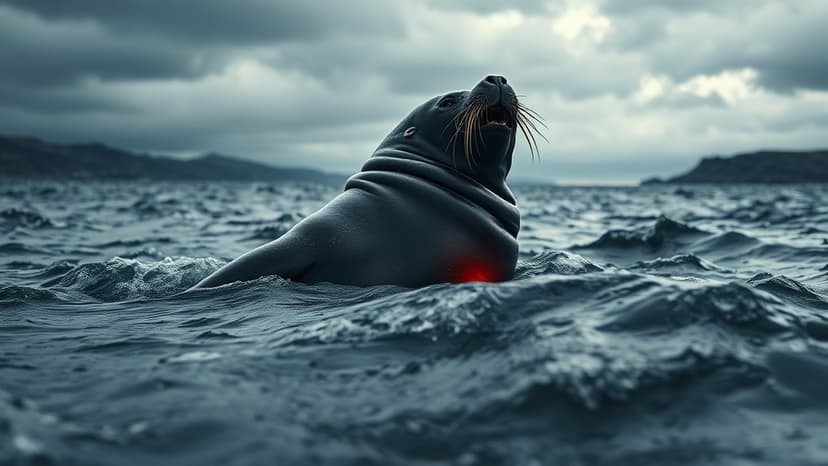
Highly pathogenic avian influenza (H5N1), a virus long known in birds, has now significantly impacted global oceans and marine life. Recent outbreaks along South America's coast have resulted in the deaths of tens of thousands of seals and sea lions.
Researchers from The Royal Society are studying the transmission of H5N1 within pinnipeds, noting a substantial shift in the virus's behavior. This spread among marine mammals heightens ecological risks, with growing concerns that entire populations could be affected if the virus continues its unchecked proliferation.
Scientists believe infected seabirds are a primary source of transmission to marine mammals, occurring through direct contact or proximity to deceased birds. There is also evidence suggesting the virus is adapting to transmit between mammals, accelerating its spread.
This evolving strain of H5N1 demonstrates an alarming ability to cross species and geographic boundaries. Its persistence in the environment and dissemination by migratory birds make containment extremely challenging. Early warnings, such as mass elephant seal deaths in Argentina, signaled the scale of this emerging crisis.
Wildlife experts are developing strategies to minimize the virus's impact and protect uninfected marine populations, acknowledging the difficulties of disease management in wild environments. The emergence of H5N1 in marine mammals underscores broader environmental imbalances and the profound effects of changing ecosystems on disease evolution.