Home / Environment / Tahoe Snowpack a Ticking Time Bomb
Tahoe Snowpack a Ticking Time Bomb
19 Feb
Summary
- A snow drought transformed fragile crystals into weak layers.
- Freezing rain on February 10th added critical weight.
- High winds and heavy snow created dangerous avalanche conditions.
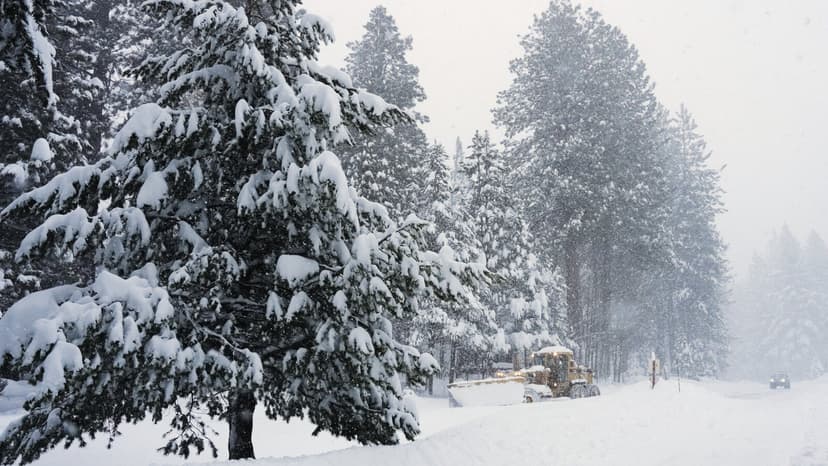
The conditions leading to a recent avalanche were established weeks prior. A period of drought in California, influenced by the same weather pattern chilling the Eastern U.S., prevented significant snow accumulation after an initially snowy December and January. During this dry spell, fluctuating temperatures caused water vapor to form fragile 'facets' within the snowpack, resembling a precarious domino structure.
On February 10th, this fragile layer was compromised further when fresh snow arrived, followed by freezing rain in some areas. This ice added significant weight to the weak, buried crystals. Avalanche experts, surveying the area near the slide site, identified these dangerous layers and even triggered controlled avalanches to test the snowpack's stability.