Home / Environment / Wildfires Test Australia's Century-Old Fire Knowledge
Wildfires Test Australia's Century-Old Fire Knowledge
17 Jul
Summary
- Australia's extensive fire knowledge is challenged by worsening blazes.
- Experts warn of increasing fire weather globally due to climate change.
- Preparedness and shared responsibility are crucial for wildfire survival.
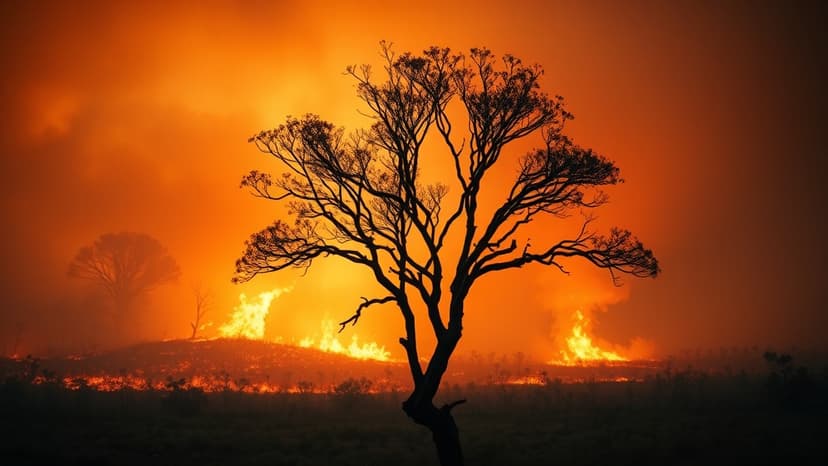
Australia's knowledge, honed over more than a century of dealing with wildfires, is now being severely tested by worsening fire seasons. This familiar narrative of escalating fire threats is unfolding globally, with recent severe wildfires impacting the UK, Europe, the US, and Canada.
Residents like Jan Harris, who lost her home in rural New South Wales, Australia, share their heartbreaking experiences. Harris recounts how a wildfire, reaching 38C (100F), approached her home with astonishing speed, leaving no time for defense despite preparations like clearing gutters and ensuring water supplies were ready.
Experts like Greg Mullins, a firefighter with nearly 40 years of experience, have been warning European fire chiefs for over two decades about the rising risk of wildfires due to climate change. He notes that the landscape is drying out, leading to more intense forest fires, a situation for which many European fire services were not adequately equipped.
Dr. Grant Williamson, a wildfire expert, confirms strong evidence linking increased fire weather globally to human-driven climate change. This effect is particularly pronounced in temperate and Mediterranean zones, with a sharp rise in disastrous wildfires noted since 2015, especially in affluent, heavily populated areas like Australia and the western US.
Australia's extensive experience has led to its fire services regularly sharing personnel and equipment with countries like the United States and Canada. Fire and Rescue New South Wales superintendent Ben Shepherd stresses the importance of shared responsibility, urging the public to understand risks and prepare bushfire survival plans, including deciding when to leave an area, particularly during catastrophic fire danger days.


