Home / Environment / From Pest Control to Plague: The Cane Toad's Rise
From Pest Control to Plague: The Cane Toad's Rise
2 Feb
Summary
- Cane toads, introduced in 1935 for beetle control, became a destructive invasive species.
- These poisonous toads threaten 75 species of native Australian animals.
- New gene-editing and taste-aversion research offers hope for control.
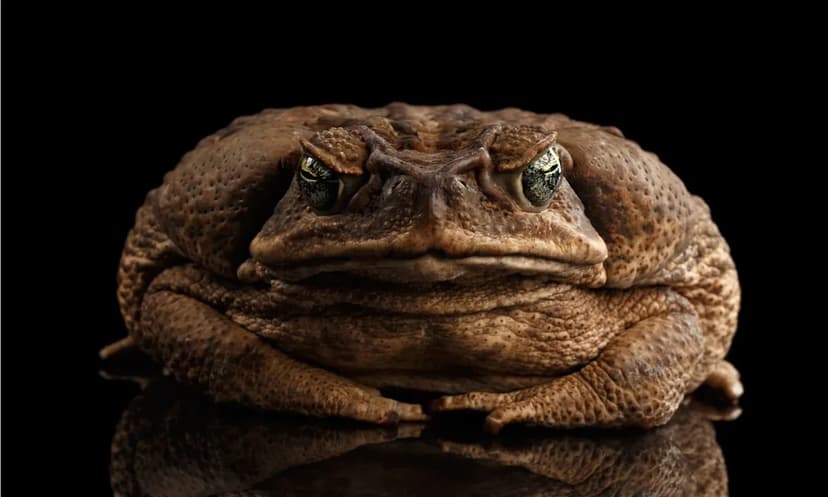
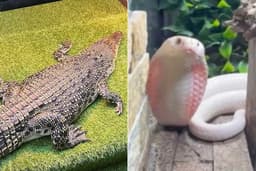
Introduced to Australia in 1935 to combat sugarcane beetles, cane toads have become a significant ecological disaster. The toads, originally imported from Hawaii, failed to control the beetle larvae and instead proliferated, becoming a widespread invasive species. Their toxic secretions pose a severe threat to native wildlife, impacting an estimated 75 species including crocodiles, snakes, and lizards.
Cane toads reproduce rapidly, laying thousands of eggs and expanding their range by up to 40 miles annually. Their opportunistic feeding habits also disrupt local ecosystems by depleting invertebrate populations. Decades of attempts to control them have largely failed, leading scientists to conclude that a broad-scale solution is unlikely.
However, ongoing research presents potential future strategies. Scientists are exploring gene-editing techniques to halt toad development at the tadpole stage. Additionally, conditioned taste aversion methods have shown success in teaching native crocodiles to avoid the poisonous toads, offering a glimmer of hope in managing this persistent environmental challenge.