feedzop-word-mark-logo
searchLogin
Feedzop
homeFor YouUnited StatesUnited States
You
bookmarksYour BookmarkshashtagYour Topics
Trending
Terms of UsePrivacy PolicyAboutJobsPartner With Us

© 2026 Advergame Technologies Pvt. Ltd. ("ATPL"). Gamezop ® & Quizzop ® are registered trademarks of ATPL.

Gamezop is a plug-and-play gaming platform that any app or website can integrate to bring casual gaming for its users. Gamezop also operates Quizzop, a quizzing platform, that digital products can add as a trivia section.

Over 5,000 products from more than 70 countries have integrated Gamezop and Quizzop. These include Amazon, Samsung Internet, Snap, Tata Play, AccuWeather, Paytm, Gulf News, and Branch.

Games and trivia increase user engagement significantly within all kinds of apps and websites, besides opening a new stream of advertising revenue. Gamezop and Quizzop take 30 minutes to integrate and can be used for free: both by the products integrating them and end users

Increase ad revenue and engagement on your app / website with games, quizzes, astrology, and cricket content. Visit: business.gamezop.com

Property Code: 5571

Home / Environment / Australia's Wildlife Stolen: A Growing Crisis

Australia's Wildlife Stolen: A Growing Crisis

29 Jan

•

Summary

  • Wildlife crime includes illegal plant removal and reptile trafficking.
  • Over 120 prosecutions recorded in nearly three decades.
  • Organized crime groups profit from smuggling native species.
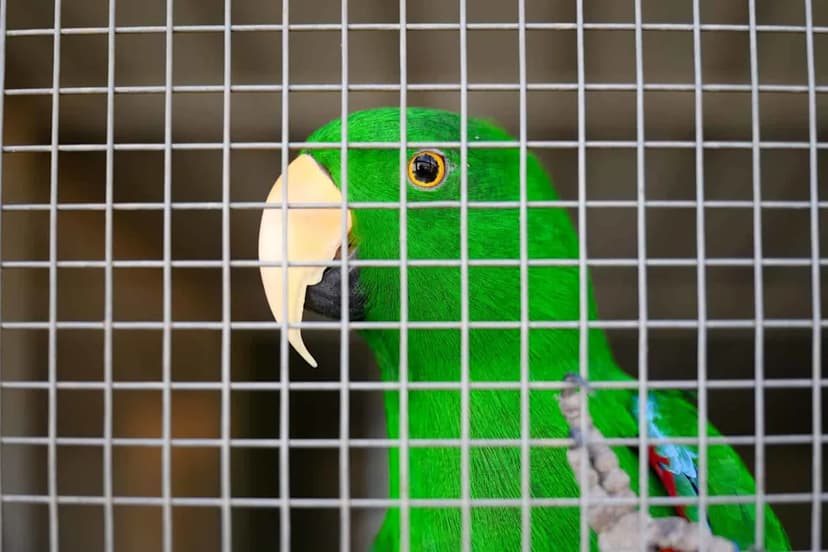
Australia's Wildlife Stolen: A Growing Crisis

Wildlife crime is an escalating problem in Australia, impacting native animals and plants through theft, illegal trade, and habitat destruction. These offenses, ranging from clearing vegetation without approval to trafficking protected species, threaten ecosystems and national security. A review of higher court prosecutions from 1995 to 2024 identified unlawful removal, illegal harvest, and trafficking as primary categories.

Despite a recorded 120 prosecutions over nearly three decades, researchers believe this number significantly underrepresents the true scale of offending. More than 60 percent of these cases occurred in remote areas where monitoring is limited. Plants were the most targeted group in prosecutions, followed by fish and reptiles, with organized criminal groups playing a significant role in smuggling valuable native species for international markets.

Factors driving this rise include growing global demand for rare species, economic stress in local communities, and comparatively low risks for traffickers. Proposed reforms include community education, judicial training on ecological consequences, and improved resources for investigators, alongside greater legal consistency across states and territories. Australia is implementing measures like a new National Environment Protection Agency and financial intelligence guidance, but experts stress that broader legal reform and sustained funding are crucial.

trending

Ohio snow emergency declared

trending

TikTok down in United States

trending

Andreeva matches Venus Williams' feat

trending

Warrington Hospital baby death

trending

Alexander Zverev advances in Australia

trending

Oilers host Capitals

trending

London celebrates Chinese New Year

trending

Liza Minnelli defends AI use

The consequences of wildlife crime extend beyond individual species, disrupting ecosystems and potentially spreading invasive species. Economic impacts include harm to tourism, while social repercussions arise from weak enforcement signaling a lack of importance for environmental laws. Addressing this challenge requires treating wildlife crime as a serious national issue, demanding stronger laws, better enforcement, community involvement, and international cooperation to safeguard Australia's natural wealth for future generations.

Disclaimer: This story has been auto-aggregated and auto-summarised by a computer program. This story has not been edited or created by the Feedzop team.
Wildlife crime in Australia includes unlawful removal or destruction of native plants and habitats, illegal harvesting of fish and timber, trafficking of protected species, and unlawful lethal control measures.
Plants are the most commonly targeted group in prosecuted cases, followed by fish and reptiles, with native reptiles being particularly sought after in the international pet trade.
Proposed reforms include enhanced community education, judicial training on ecological impacts, improved investigative resources, and greater legal consistency across Australian states and territories.

Read more news on

Environmentside-arrowAustraliaside-arrow

You may also like

Tasmania's Salmon Crisis: Millions Dead, Calls for Fines

26 Jan • 9 reads

article image

Surfer Critical After Sydney Shark Strike

19 Jan • 54 reads

article image

Gadgil and His Legacy: Conservation Rooted in Human Life

9 Jan • 112 reads

article image

Global Wildlife Trade Fuels Extinction Crisis

24 Dec, 2025 • 199 reads

article image

Bondi Beach Massacre: Heroes Emerge Amidst Terror

15 Dec, 2025 • 210 reads