Home / Environment / Australia's Wildlife Stolen: A Growing Crisis
Australia's Wildlife Stolen: A Growing Crisis
29 Jan
Summary
- Wildlife crime includes illegal plant removal and reptile trafficking.
- Over 120 prosecutions recorded in nearly three decades.
- Organized crime groups profit from smuggling native species.
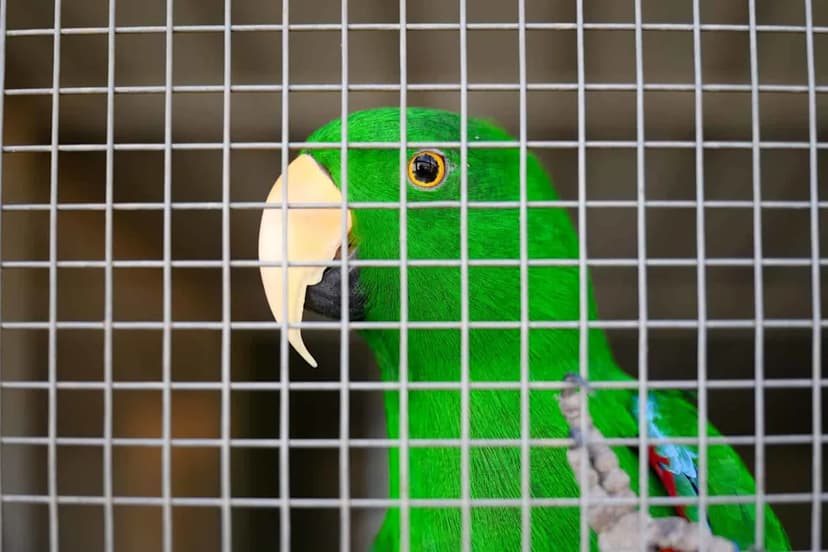
Wildlife crime is an escalating problem in Australia, impacting native animals and plants through theft, illegal trade, and habitat destruction. These offenses, ranging from clearing vegetation without approval to trafficking protected species, threaten ecosystems and national security. A review of higher court prosecutions from 1995 to 2024 identified unlawful removal, illegal harvest, and trafficking as primary categories.
Despite a recorded 120 prosecutions over nearly three decades, researchers believe this number significantly underrepresents the true scale of offending. More than 60 percent of these cases occurred in remote areas where monitoring is limited. Plants were the most targeted group in prosecutions, followed by fish and reptiles, with organized criminal groups playing a significant role in smuggling valuable native species for international markets.
Factors driving this rise include growing global demand for rare species, economic stress in local communities, and comparatively low risks for traffickers. Proposed reforms include community education, judicial training on ecological consequences, and improved resources for investigators, alongside greater legal consistency across states and territories. Australia is implementing measures like a new National Environment Protection Agency and financial intelligence guidance, but experts stress that broader legal reform and sustained funding are crucial.