Home / Environment / Australia Swelters: Heatwave Fuels Fires Amid Fossil Fuel Debate
Australia Swelters: Heatwave Fuels Fires Amid Fossil Fuel Debate
20 Feb
Summary
- South-east Australia faced its worst heatwave since 2019, with temperatures exceeding 45C.
- Nearly 200 fires ignited in Victoria amid catastrophic conditions on January 9.
- Renewables powered over 50% of Australia's grid in late 2025, yet fossil fuel projects continue.
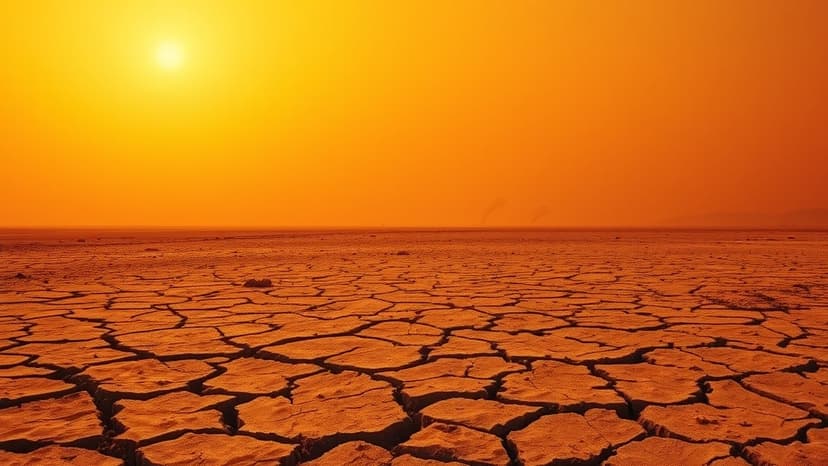
Australia's south-east experienced its most significant heatwave since the "black summer" of 2019-20 in the first week of January. Major cities recorded temperatures above 41C, with some areas reaching over 45C. The intense heat and dry conditions led to nearly 200 fires in Victoria on January 9, rated as "catastrophic", with some blazes burning for over a month.
Climate scientists determined that warming from greenhouse gas emissions made this heatwave five times more likely. Temperatures in Andamooka, South Australia, hit 50C, a rare occurrence in Australia's recorded history. Victoria's all-time heat record was broken at two locations, reaching 48.9C.
This summer's events have resulted in substantial insured losses, estimated at $1.6 billion due to fires, floods, heatwaves, and storms. Wildlife has also been severely impacted, with thousands of flying foxes dying and concerns for plant species survival. The increase in extreme heat events raises questions about the feasibility of holding major summer sporting events.
Despite these challenges, Australia's electricity grid demonstrated resilience, with solar power providing 30% of electricity during a heatwave week. Renewables contributed over 50% to the main grid in the last three months of 2025 for the first time. However, the government's continued approval of new fossil fuel projects, including a coalmine expansion, faces strong opposition from conservationists.