
Home / Environment / Attenborough at 100: Earth's Wild Ride
Attenborough at 100: Earth's Wild Ride
8 May
Summary
- Wildlife populations declined 73% from 1970-2020.
- Plastic pollution surges; EU bans single-use items.
- Renewable energy surpasses fossil fuels in generation.
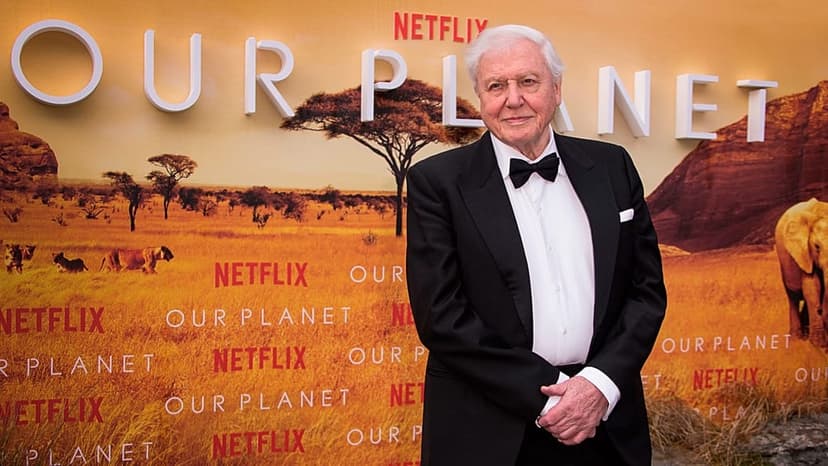
Sir David Attenborough, marking his 100th birthday, has spent seven decades documenting Earth's ecosystems and inspiring conservation. During his lifetime, the planet has faced significant environmental degradation, but also seen glimmers of hope through dedicated conservation efforts.
From 1970 to 2020, monitored wildlife populations experienced a staggering 73% decline, with freshwater species hit hardest. Climate change continues to threaten habitats, leading to species like emperor penguins being reclassified as endangered. The Amazon rainforest also faces critical deforestation.
However, conservation successes offer hope, such as the reintroduction of Eastern barred bandicoots in Australia and the recovery of green sea turtles. European bison are also making a comeback, aiding biodiversity and carbon capture.
Plastic production has exploded, with millions of tons entering oceans annually. Single-use plastics have become ubiquitous, impacting marine life, though initiatives like EU bans and technological solutions aim to mitigate this. The "Attenborough Effect" has demonstrably reduced plastic consumption and increased recycling searches.
Encouragingly, the world is transitioning away from fossil fuels, which heavily contribute to climate change. Renewable energy sources like solar and wind are rapidly growing, surpassing fossil fuel power generation for the first time in 2025. International conferences and national roadmaps, such as France's plan to end coal, oil, and gas use, signal a global commitment to a cleaner energy future.
