Home / Environment / Asia's Coal Comeback: War Disrupts Fuel Supplies
Asia's Coal Comeback: War Disrupts Fuel Supplies
24 Mar
Summary
- Asian countries are increasing coal use due to oil and gas shipment disruptions.
- Burning more coal poses risks to air quality and climate goals.
- Coal is seen as a short-term fix, with renewables as the long-term solution.
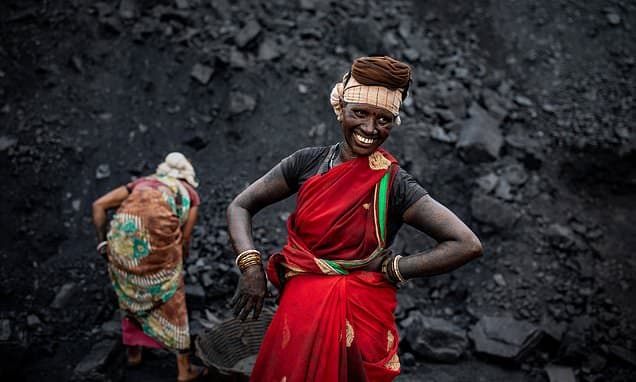
Asian countries are increasingly turning to coal as a response to disruptions in oil and gas shipments stemming from the ongoing war. This shift back to coal is particularly pronounced in nations reliant on imported fuels that frequently traverse crucial maritime chokepoints, such as the Strait of Hormuz.
The heightened use of coal, while addressing immediate energy shortfalls, raises significant environmental concerns. Experts warn that burning more coal could exacerbate smog in urban centers, impede progress towards renewable energy adoption, and increase the region's greenhouse gas emissions. This trend is observed across several nations, including India, South Korea, and Vietnam, which are boosting their coal-fired power generation.
While coal is being employed as an emergency measure, the consensus among energy analysts is that renewable energy sources represent the essential long-term solution for sustainable energy security. Continued dependence on coal leaves the continent vulnerable to future supply shocks and undermines global climate objectives.
Several countries are implementing policies that involve greater coal usage. China, the world's largest coal consumer, has expanded its coal power capacity to enhance energy security. India is preparing to rely more heavily on coal to meet surging summer electricity demand. South Korea, despite its renewable energy goals, is permitting increased coal use under specific circumstances.
The global market dynamics further complicate the situation. Indonesia, a major coal exporter, is prioritizing domestic supply, potentially tightening regional availability and increasing prices. The price of Newcastle coal, a key benchmark for Asia, has already seen a notable increase since the conflict began.
This renewed reliance on coal presents a substantial challenge to climate commitments. Many nations are already struggling with existing targets for phasing out coal, and increased coal consumption risks delaying or reversing these efforts. The long-term implications include not only environmental degradation but also potential economic strain due to fluctuating coal prices and operational costs of aging power plants.