Home / Environment / Tiny Ant, Big Pain: Asian Needle Ants Spread
Tiny Ant, Big Pain: Asian Needle Ants Spread
12 May
Summary
- Asian needle ants have spread to over 20 US states.
- Their sting causes sharp pain and severe allergic reactions.
- The ants are small, dark, and hide in moist, shaded areas.
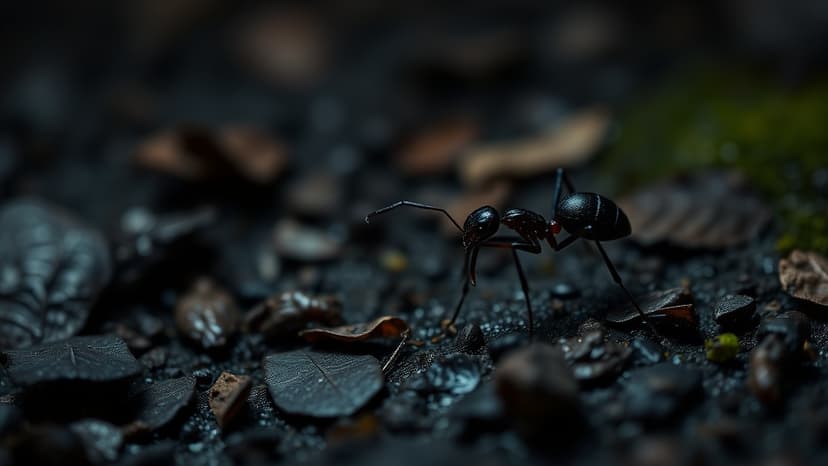
The Asian needle ant, a species native to East Asia, has established a significant presence in the United States, now found in over 20 states. Initially identified in the U.S. decades ago, this ant's population is experiencing rapid growth, raising concerns among experts. Unlike other ant species, Asian needle ants do not build visible mounds or trails, preferring to conceal themselves in moist, shaded locations like under logs, stones, and leaf litter, making them challenging to detect and manage.
The sting of the Asian needle ant is particularly worrisome due to its potential to cause severe allergic reactions. While most individuals experience sharp pain, swelling, and itching, some can develop serious symptoms such as breathing difficulties, dizziness, and rapid heartbeat. In severe cases, anaphylaxis, a life-threatening allergic reaction, can occur, requiring immediate medical intervention.
To mitigate risks, individuals are advised to wear protective gear like gloves and closed shoes when gardening or handling firewood. Maintaining clean yards by removing potential hiding spots and sealing cracks around homes can also deter these ants. Anyone experiencing severe symptoms after a sting, such as trouble breathing or swelling of the face and throat, should seek emergency medical help immediately.


