Home / Environment / Arsenic Taints Mekong: Myanmar Mines Pollute Thai Water
Arsenic Taints Mekong: Myanmar Mines Pollute Thai Water
18 Nov
Summary
- Arsenic levels found 30 times over safe limits in Thai tap water.
- Myanmar rare earth mines are blamed for toxic heavy metal contamination.
- Thai authorities are supplying clean water to over 20,000 households.
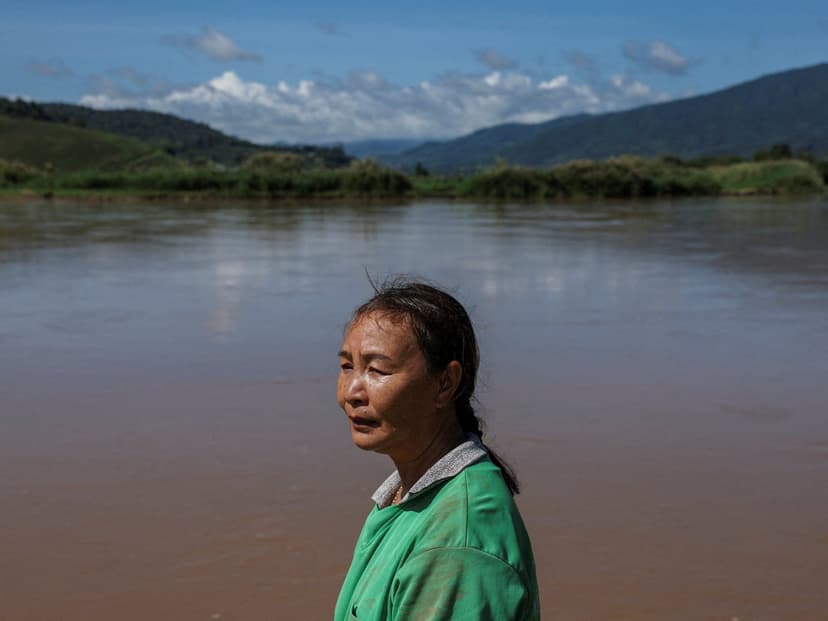
Thai authorities are urgently providing safe water to more than 20,000 households in northern Thailand. This action follows the discovery of unsafe arsenic levels in the local water supply, identified as originating from rare earth mining operations in neighboring Myanmar. Prime Minister Anutin Charnvirakul has directed government agencies to secure alternative water sources and rigorously monitor tap water quality in Chiang Rai province.
The contamination led to the suspension of tap water in 14 villages in Mae Sai district, near the Myanmar border. Officials detected arsenic in local tap water at levels 30 times above the safety limit, and in untreated water from the Sai River, a Mekong tributary, at 25 times the limit. Two water supply trucks have been deployed to serve affected residents.
Researchers from Naresuan University have traced the arsenic-laden sediment in the Sai River to gold mining activities across the border in Myanmar. The surge in rare earth mining in Myanmar, supplying Chinese processing plants, is suspected of releasing toxic heavy metals into Thai waterways, including the Mekong.
This issue has been raised by Thai Foreign Minister Sihasak Phuangketkeow with Myanmar officials, who described the pollution increase as "dramatic" and linked it to "wastewater from mining." Discussions have also occurred with Beijing due to many Myanmar operations being Chinese-run.
Concerns are growing about the pollution spreading downstream along the Mekong River, impacting millions of people. Arsenic has already been detected in the urine of some individuals tested in Nong Khai province, near the border with Laos, indicating the widespread nature of the contamination.


