Home / Environment / Arizona's Drought Is Now Permanent Aridification
Arizona's Drought Is Now Permanent Aridification
2 Mar
Summary
- Arizona's 32-year drought may be permanent aridification due to rising temperatures.
- Warmer climates increase evaporation, making precipitation yield less usable water.
- Tree rings show current 'warm droughts' stress forests more than historical dry spells.
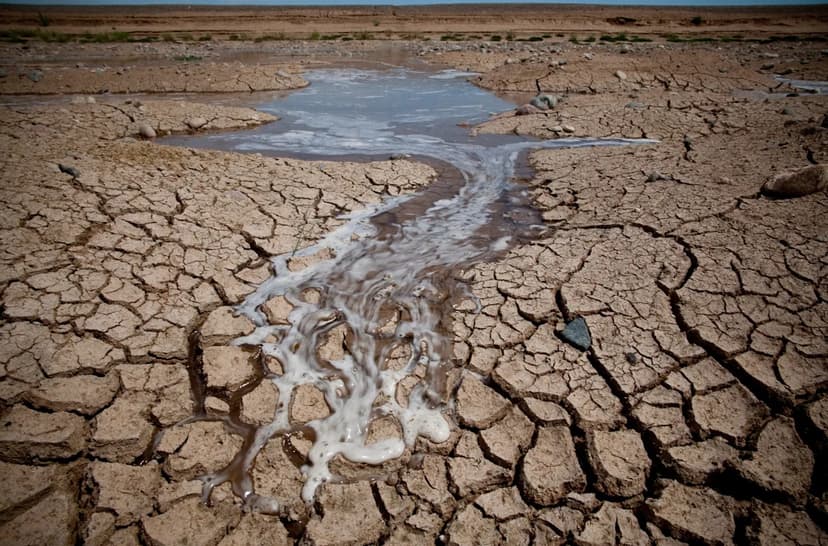
Arizona is facing a permanent shift from drought to aridification, a consequence of rising global temperatures. This transformation, now in its 32nd year, means that even historically wet periods may not restore water supplies as they once did. Increased temperatures lead to higher evaporation rates from soils, plants, and snowpack, reducing the amount of usable water available.
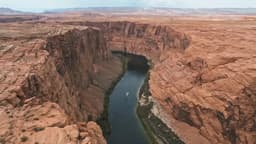
Scientific evidence, including tree-ring data, indicates that current "warm droughts" are more severe for forests than historical dry spells. Trees are experiencing greater stress, impacting forest health and increasing wildfire risk. This change affects rivers and water systems, such as the Colorado River, where reduced runoff efficiency is a growing concern.
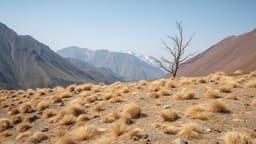
The Sonoran Desert's delicate ecosystem is also impacted, with altered rainfall patterns and warmer temperatures disrupting native plant life cycles. This can favor non-native species and increase fire risk. Planning for this aridification involves adapting water management strategies to a warmer, drier future.