Home / Environment / Toxic Slag Dust Plagues Arizona Town
Toxic Slag Dust Plagues Arizona Town
1 Mar
Summary
- Black dust from historical slag piles contains arsenic.
- Company repurposing slag faces permitting issues.
- Residents fear long-term health impacts from dust.
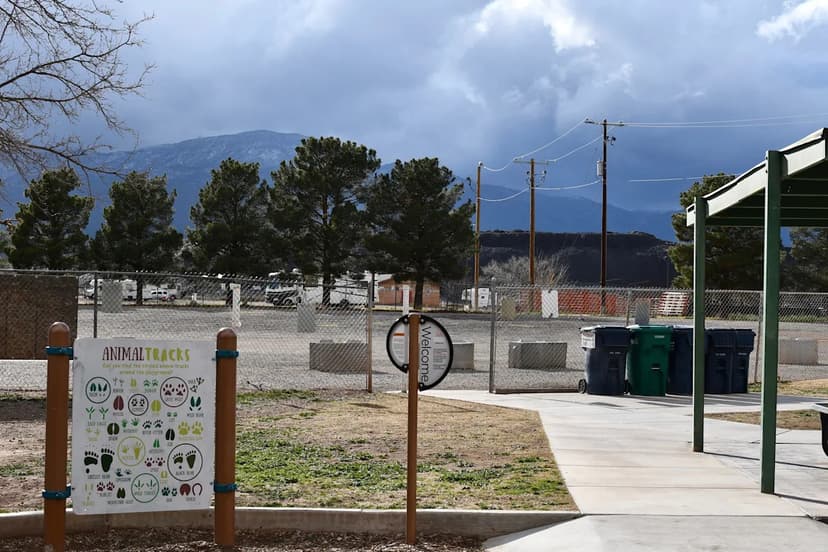
Cottonwood, Arizona, faces environmental challenges from a large slag pile, a byproduct of a copper smelter that operated until the 1930s. This 50-foot mountain of black rock, containing heavy metals like arsenic, has become a source of concern for residents due to dust migration.
The company Minerals Research Inc. began repurposing the slag in 2015, crushing it for industrial uses. However, its operations have been marked by permitting confusion with the Arizona Department of Environmental Quality (ADEQ), leading to accusations of negligence and health worries among the community.
Recent ADEQ testing in 2024 revealed arsenic levels in soil samples significantly above state remediation levels, particularly near the slag pile and the old smelting stack site. While multiple sources for arsenic are considered, some soil samples show a unique signature matching the slag.
Community science initiatives, like the University of Arizona's Gardenroots program, are empowering residents to collect their own samples, seeking answers about indoor dust contamination, which falls outside ADEQ's direct testing scope. The long-term health effects remain a significant worry for those living near the legacy waste.