

Home / Environment / Argentina Glaciers: Wine Country Faces Water Crisis
Argentina Glaciers: Wine Country Faces Water Crisis
12 Apr
Summary
- Argentina's 2010 glacier law protected vital water reserves.
- Provincial governments now decide glacial strategic importance.
- Mining advocates claim projects boost economies and energy.
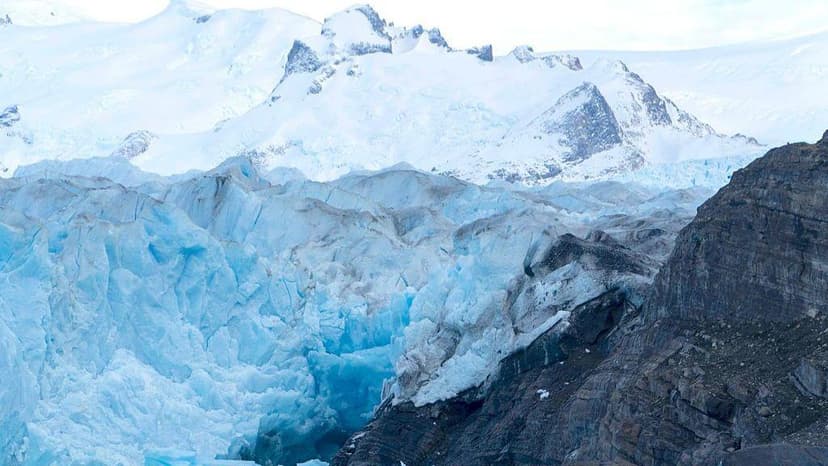
Argentina's groundbreaking 2010 glacier protection law, which identified glaciers as vital water reserves and prohibited damaging commercial activities, has been significantly modified. This reform allows provincial governments to determine the strategic importance of glaciers within their territories, potentially removing them from national inventories and environmental protections if deemed not essential for human consumption, agriculture, biodiversity, science, or tourism.
The changes are championed by President Javier Milei and provincial governments, who see them as a way to unlock billions in mining investments, particularly in copper and lithium, citing economic benefits and Argentina's low copper exports compared to Chile. Proponents argue the previous law hindered economic development, while opponents fear large-scale mining could disrupt river flows and jeopardize water security for millions.
Environmental groups and citizens are protesting, with slogans like "Hands off the glaciers" appearing nationwide. Glaciologists argue that the amendment is based on "false arguments," as all glaciers contribute water and any glacier can be at risk due to unclear criteria. However, some scientists acknowledge a paradox: reducing carbon footprints requires minerals like copper and lithium, necessitating an energy transition that could be enabled by mining, provided it is conducted responsibly.
Critics, like Greenpeace, fear that the lure of financial investment will lead provinces to be lenient on environmental regulations, creating a "race to deregulation." Conversely, some legal advisors suggest that provincial autonomy in managing their resources is appropriate, as they would face the consequences of mismanagement. In Mendoza, winemakers are actively informing visitors about the potential impacts on their livelihoods and life itself.
