Home / Environment / Arctic Bears Adapt: Unexpected Resilience in Barents Sea
Arctic Bears Adapt: Unexpected Resilience in Barents Sea
29 Jan
Summary
- Barents Sea polar bears show surprising health despite melting ice.
- Bears are diversifying their diet with walruses, birds, and carcasses.
- While some adapt, other polar bear populations face severe decline.
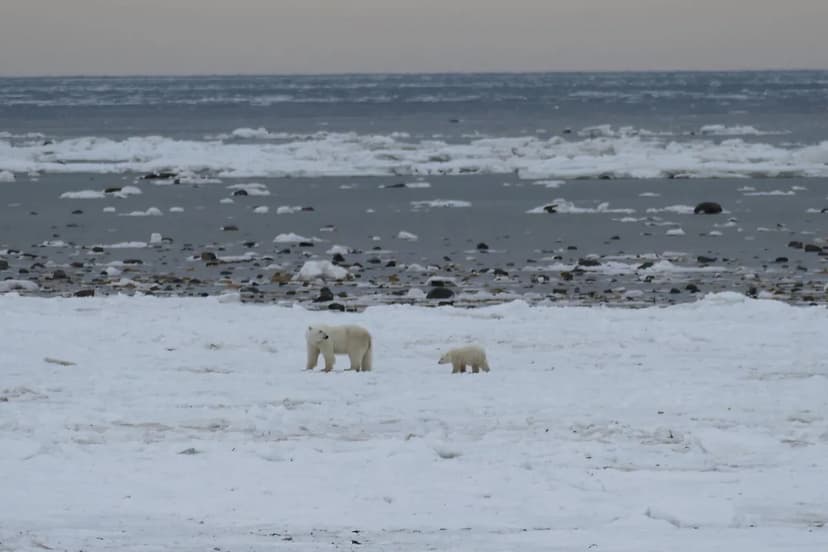
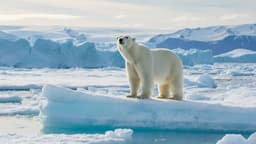
Polar bears in the Barents Sea north of Norway are demonstrating unexpected resilience to the effects of climate change. Recent research, published in Scientific Reports, indicates that this subpopulation is not experiencing the anticipated health impacts despite significant melting of sea ice and extended ice-free periods.
Scientists observed that these bears are adapting by consuming a wider variety of prey, including walruses, bird eggs, and whale carcasses, in addition to their typical seal diet. This dietary shift, coupled with the rebound of walrus populations, appears to be supporting their body condition, a key indicator of health. Researchers have gathered data on 770 bears through live captures between 1995 and 2019.
Despite this localized success, experts caution that this adaptation may be temporary and does not reflect the situation for all polar bear subpopulations. Bears in other regions, such as western Hudson Bay and the Beaufort Sea in Canada, are facing significant declines in body condition, survival, and reproduction directly linked to sea ice loss.
Ultimately, the long-term future for polar bears remains precarious as global warming continues to reduce sea ice habitat worldwide. While the Barents Sea bears offer a glimpse of adaptation, the overall threat to the species remains critical, with significant ice loss projected to be devastating.