Home / Environment / Arctic Seas Swirl Faster: A Warming World's New Reality
Arctic Seas Swirl Faster: A Warming World's New Reality
18 Dec
Summary
- Arctic Ocean's small-scale water mixing is intensifying.
- Melting sea ice due to global warming drives increased ocean turbulence.
- Intensified mixing impacts marine life and climate regulation.
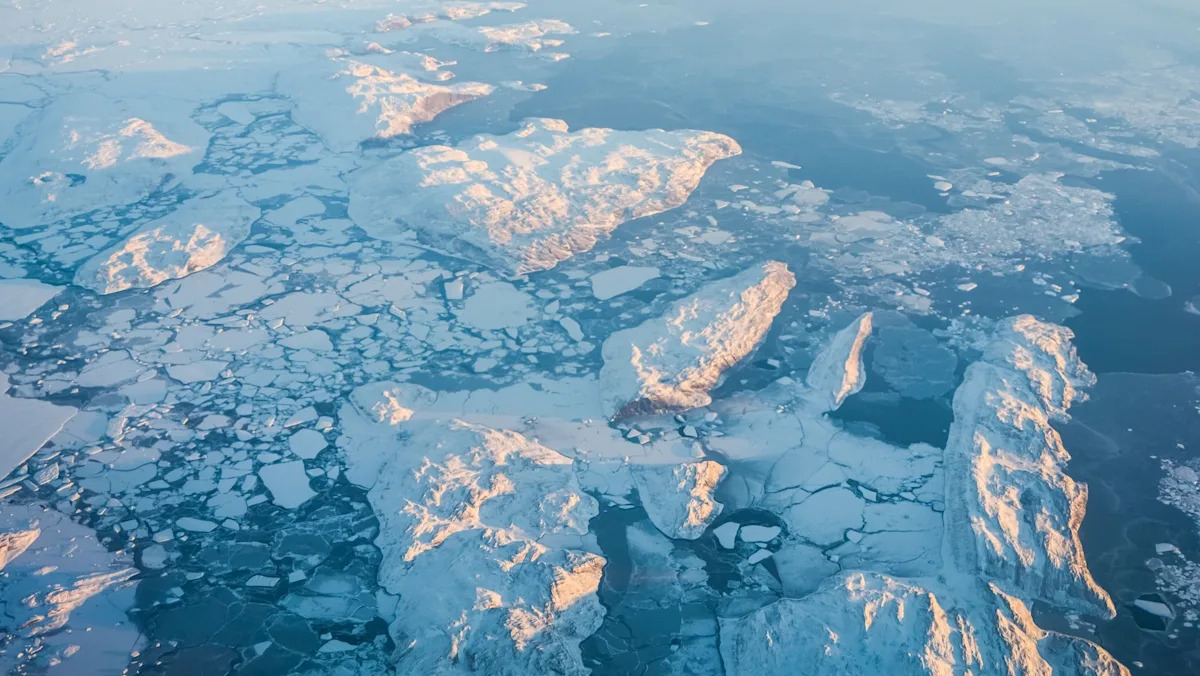
Recent studies reveal that as Arctic sea ice diminishes due to global warming, the ocean's internal churning and mixing processes are accelerating. Researchers have utilized ultra-high-resolution simulations to understand this mesoscale horizontal stirring (MHS), which plays a crucial role in distributing heat, nutrients, and carbon.
The intensifying MHS in the Arctic is primarily linked to increased winds over newly exposed open water. In contrast, Antarctic MHS is influenced by meltwater creating density differences. This heightened ocean turbulence carries significant consequences for marine life, potentially altering ecosystems by disrupting nutrient flows and displacing fish larvae to unsuitable areas.
Furthermore, the study highlights that this increased mixing could also influence the dispersal of microplastics and other pollutants across marine environments. Experts emphasize that understanding these changes is vital for developing effective climate policies and adaptation strategies to address the ongoing rise in global temperatures.