Home / Environment / Arctic Lakes Hold Secrets: Scientists Study Unique Karst Chemistry
Arctic Lakes Hold Secrets: Scientists Study Unique Karst Chemistry
13 Mar
Summary
- Scientists are studying the unique hydro-chemical parameters of Karasozero lake system.
- Karst rock erosion causes high calcium sulfate mineralization in local waters.
- Hydrogen sulfide levels are high in winter, potentially harming fish populations.
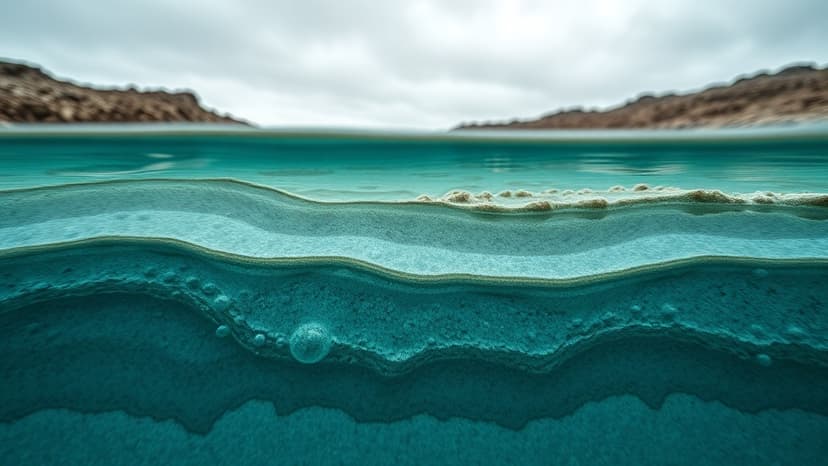
Researchers from the Laverov Federal Research Center are undertaking the first-ever study of hydro-chemical parameters in the Karasozero lake system, located in the Pinega District of Russia's Arkhangelsk Region. This area is notable for karst rocks that contribute to exceptionally high mineralization in the lakes, primarily calcium sulfate. These natural geological processes result in unique water compositions that differ from the region's typical bicarbonate-calcium reservoirs.
The research initiative includes detailed analysis of the water's chemical makeup and the factors influencing its formation. Scientists plan to conduct seasonal sampling of water and sediments to assess the environmental conditions of these rare reservoirs. Previous studies focused more on geology and biodiversity.
Concerns have been raised about the potential for hydrogen sulfide buildup in anaerobic conditions, such as under winter ice. This gas is known to be harmful to fish. Preliminary winter samples have indeed shown significant hydrogen sulfide content. Despite this, the lake system is considered rich in fish, with local observations noting fish migration to other bodies of water when hydrogen sulfide levels rise in shallow lakes.
To mitigate potential harm to fish, scientists are recommending that winter fishermen create multiple ice holes to enhance oxygen levels in the lakes. This study is crucial for understanding the delicate ecological balance of these naturally mineralized Arctic waters.