feedzop-word-mark-logo
searchLogin
Feedzop
homeFor YouUnited StatesUnited States
You
bookmarksYour BookmarkshashtagYour Topics
Trending
Terms of UsePrivacy PolicyAboutJobsPartner With Us

© 2026 Advergame Technologies Pvt. Ltd. ("ATPL"). Gamezop ® & Quizzop ® are registered trademarks of ATPL.

Gamezop is a plug-and-play gaming platform that any app or website can integrate to bring casual gaming for its users. Gamezop also operates Quizzop, a quizzing platform, that digital products can add as a trivia section.

Over 5,000 products from more than 70 countries have integrated Gamezop and Quizzop. These include Amazon, Samsung Internet, Snap, Tata Play, AccuWeather, Paytm, Gulf News, and Branch.

Games and trivia increase user engagement significantly within all kinds of apps and websites, besides opening a new stream of advertising revenue. Gamezop and Quizzop take 30 minutes to integrate and can be used for free: both by the products integrating them and end users

Increase ad revenue and engagement on your app / website with games, quizzes, astrology, and cricket content. Visit: business.gamezop.com

Property Code: 5571

Home / Environment / Ships Speeding Arctic Melt: Black Carbon Crisis

Ships Speeding Arctic Melt: Black Carbon Crisis

9 Feb

•

Summary

  • Ship soot accelerates Arctic ice melt by absorbing sunlight.
  • International regulators consider stricter 'polar fuel' rules.
  • Black carbon's warming impact is 1,600 times CO2's over 20 years.
Ships Speeding Arctic Melt: Black Carbon Crisis

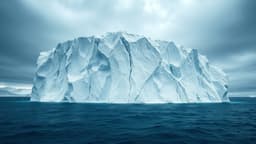
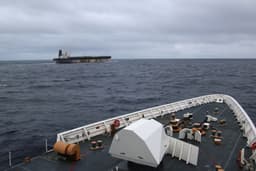
Rising global temperatures are causing Arctic sea ice to melt at an accelerated rate, leading to increased ship traffic on previously impassable routes. However, this boom comes at a significant environmental cost as black carbon, or soot, emitted by ships is making the ice melt even faster.

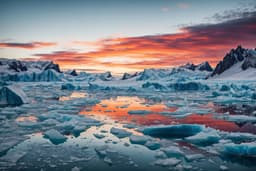
Glaciers and ice covered in this soot reflect less sunlight, absorbing more heat and contributing to the Arctic being the fastest-warming region on Earth. This melting can subsequently affect global weather patterns, creating a cycle of increased warming.

In response, several countries have proposed that the International Maritime Organization (IMO) mandate the use of 'polar fuels' for ships in Arctic waters. These cleaner fuels emit less pollution than traditional residual fuels and would apply to all ships traveling north of the 60th parallel. The proposal is under consideration by IMO committees this week and in April.

trending

PFC REC merger approved

trending

Tata Steel share price surges

trending

ITC stock market stability

trending

SBI share price jumps

trending

ITA Airways promotes Olympics

trending

Brandon McMullen scores 41

trending

Scotland seek Italy revenge

trending

Zimbabwe vs Oman T20

trending

Kruthik Krishna proves mettle

Despite these efforts, regulating emissions faces challenges. Geopolitical issues, particularly concerning Greenland and U.S. policy on climate change, have overshadowed environmental concerns. Furthermore, internal tensions exist within Arctic nations, like Iceland, where the powerful fishing industry's economic interests sometimes conflict with environmental regulations.

Data shows a significant increase in Arctic ship traffic and black carbon emissions between 2013 and 2024. The number of ships north of the 60th parallel rose by 37%, while the total distance traversed increased by 111%. Black carbon emissions also climbed, with fishing boats identified as the largest source. A ban on heavy fuel oil, implemented in 2024, has had limited impact due to existing loopholes and waivers.

Environmental groups advocate for regulating ship fuel as the most effective way to reduce black carbon, as limiting traffic itself is deemed impractical due to the economic incentives of fishing, resource extraction, and shorter shipping routes between Asia and Europe. However, the dangers of Arctic routes and pollution concerns have led some major shipping companies to pledge avoidance.

Disclaimer: This story has been auto-aggregated and auto-summarised by a computer program. This story has not been edited or created by the Feedzop team.
Ship emissions, specifically black carbon (soot), land on glaciers and ice, reducing their ability to reflect sunlight and causing them to absorb more heat, thus accelerating melting.
'Polar fuels' are cleaner alternatives to traditional residual fuels, emitting less carbon pollution. They are being considered to mitigate the environmental impact of increased ship traffic in Arctic waters.
Black carbon has a warming impact approximately 1,600 times that of carbon dioxide over a 20-year span, making its regulation crucial for combating Arctic warming.

Read more news on

Environmentside-arrowEuropeside-arrowIcelandside-arrow

You may also like

US Weather Divide: Frigid East, Dry West Under Arctic Pattern

1 day ago • 7 reads

article image

Eight-Year-Old's Unforgettable Polar Adventures

26 Jan • 104 reads

article image

Dramatic Sea Chase: US Hunts Ship Near Iceland

8 Jan • 249 reads

article image

Antarctica's Krill Crisis: Fishing Frenzy Threatens Fragile Ecosystem

13 Nov, 2025 • 484 reads

article image

Cryosphere Scientists Offer Glimmer of Hope Amid Rapid Ice Loss

12 Nov, 2025 • 419 reads

article image