Home / Environment / Arctic Ice Melts Faster Due to Ship Soot
Arctic Ice Melts Faster Due to Ship Soot
9 Feb
Summary
- Ship soot absorption of sun's heat accelerates Arctic warming.
- Arctic warming impacts global weather patterns.
- Black carbon pollution from ships is unregulated in the Arctic.
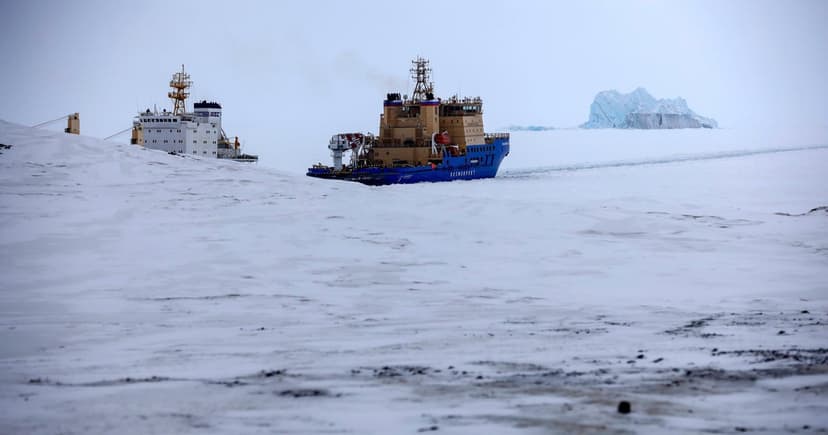
As Arctic sea ice rapidly melts due to rising global temperatures, a surge in ship traffic is occurring on previously impassable routes. This increase in Arctic maritime activity carries a substantial environmental consequence, as black carbon, commonly known as soot, spews from vessels and intensifies the melting process.
When glaciers and ice are coated with this soot, their capacity to reflect sunlight diminishes. Instead, the heat from the sun is absorbed, contributing to the Arctic becoming the planet's fastest-warming region. This accelerated melting of Arctic sea ice can subsequently influence weather systems worldwide, creating a self-perpetuating cycle of increased warming.
International regulators are currently discussing proposals to mandate cleaner fuels for ships operating in Arctic waters, particularly focusing on reducing black carbon emissions. Despite a ban on heavy fuel oil enacted in 2024, its impact has been limited due to loopholes, with some ships permitted to continue using it until 2029. The push to reduce black carbon, a pollutant with a warming impact significantly greater than carbon dioxide, faces challenges from conflicting international interests and within Arctic nations themselves, where powerful industries like fishing can resist environmental regulations.