feedzop-word-mark-logo
searchLogin
Feedzop
homeFor YouUnited StatesUnited States
You
bookmarksYour BookmarkshashtagYour Topics
Trending
Terms of UsePrivacy PolicyAboutJobsPartner With Us

© 2026 Advergame Technologies Pvt. Ltd. ("ATPL"). Gamezop ® & Quizzop ® are registered trademarks of ATPL.

Gamezop is a plug-and-play gaming platform that any app or website can integrate to bring casual gaming for its users. Gamezop also operates Quizzop, a quizzing platform, that digital products can add as a trivia section.

Over 5,000 products from more than 70 countries have integrated Gamezop and Quizzop. These include Amazon, Samsung Internet, Snap, Tata Play, AccuWeather, Paytm, Gulf News, and Branch.

Games and trivia increase user engagement significantly within all kinds of apps and websites, besides opening a new stream of advertising revenue. Gamezop and Quizzop take 30 minutes to integrate and can be used for free: both by the products integrating them and end users

Increase ad revenue and engagement on your app / website with games, quizzes, astrology, and cricket content. Visit: business.gamezop.com

Property Code: 5571

Home / Environment / Arctic Meltdown Triggers Global Extremes

Arctic Meltdown Triggers Global Extremes

26 Jan

•

Summary

  • Arctic temperatures are rising significantly above historical levels.
  • Melting ice causes global sea level rise and extreme weather.
  • Urgent action needed to reduce pollution and protect species.
Arctic Meltdown Triggers Global Extremes

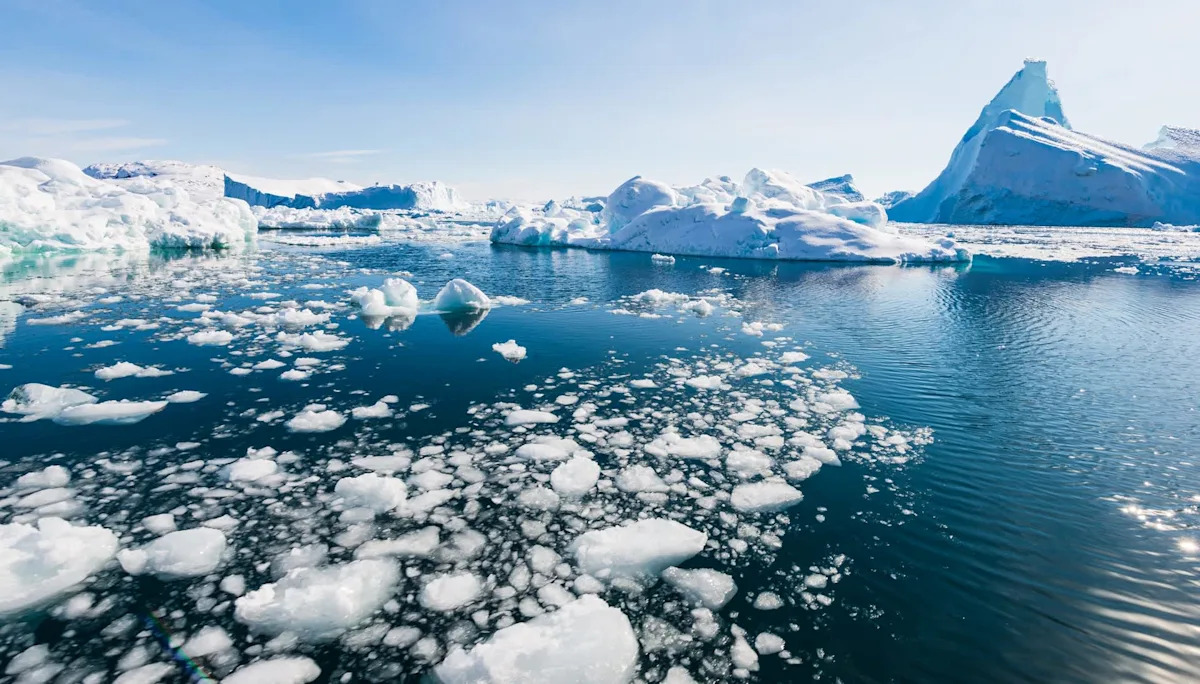
As of January 26, 2026, mounting evidence indicates that melting Arctic glaciers are irreversibly altering the planet. Temperatures in the Arctic region are consistently exceeding historical averages, with more frequent summer extremes. Satellite data collected over the past four decades reveals a sustained decline in Arctic sea ice.

This phenomenon has far-reaching consequences beyond the Arctic. Global sea levels are rising, increasing the risk of coastal flooding and threatening low-lying cities. Melting ice is also altering atmospheric conditions across the Northern Hemisphere, leading to more frequent heatwaves, extreme cold spells, floods, and droughts.

Numerous species depend on Arctic ecosystems, and the melting glaciers are disrupting their habitats and breeding cycles. Researchers emphasize the urgent need to decrease society's reliance on polluting energy sources such as coal, oil, and gas, as pollution directly contributes to rising global temperatures and ice melt. Without swift, targeted action, many animal species face population decline and potential extinction, and coastal communities are at risk of destruction.

trending

Ohio snow emergency declared

trending

TikTok down in United States

trending

Andreeva matches Venus Williams' feat

trending

Warrington Hospital baby death

trending

Alexander Zverev advances in Australia

trending

Oilers host Capitals

trending

Duke Energy assists Carolinas

trending

London celebrates Chinese New Year

trending

Liza Minnelli defends AI use

Scientists predict that within decades, Arctic summers could be nearly ice-free, a scenario with significant and potentially irreversible global consequences. Efforts are underway to study Arctic ice melt and develop innovative solutions to prevent further loss. Raising awareness and adopting sustainable practices, such as transitioning to renewable energy, are vital steps individuals can take.

Disclaimer: This story has been auto-aggregated and auto-summarised by a computer program. This story has not been edited or created by the Feedzop team.
Melting Arctic ice causes global sea levels to rise, increases coastal flooding risk, threatens cities, and intensifies extreme weather events like heatwaves, cold spells, floods, and droughts across the Northern Hemisphere.
Pollution from fossil fuels directly contributes to rising global temperatures and glacier melt, impacting Arctic ecosystems and global climate patterns.
Scientists predict that within decades, the Arctic could experience summers with nearly no ice, leading to significant and irreversible global consequences.

Read more news on

Environmentside-arrow

You may also like

Polar Bears: Not White, Threatened, And Vital Arctic Keepers

17 Jan • 49 reads

article image

Greenland's Ice Melts: A Global Climate Ticking Bomb

14 Jan • 88 reads

article image

Alberta Glaciers Melting: Alpinism's Future at Risk

16 Jan • 47 reads

Oceans Warming: Earth's Thermometer Rising

9 Jan • 116 reads

article image

Renewables' Miracle: Sun and Wind Power Humanity's Future

8 Jan • 140 reads

article image