Home / Environment / Arctic Meltdown Triggers Global Extremes
Arctic Meltdown Triggers Global Extremes
26 Jan
Summary
- Arctic temperatures are rising significantly above historical levels.
- Melting ice causes global sea level rise and extreme weather.
- Urgent action needed to reduce pollution and protect species.
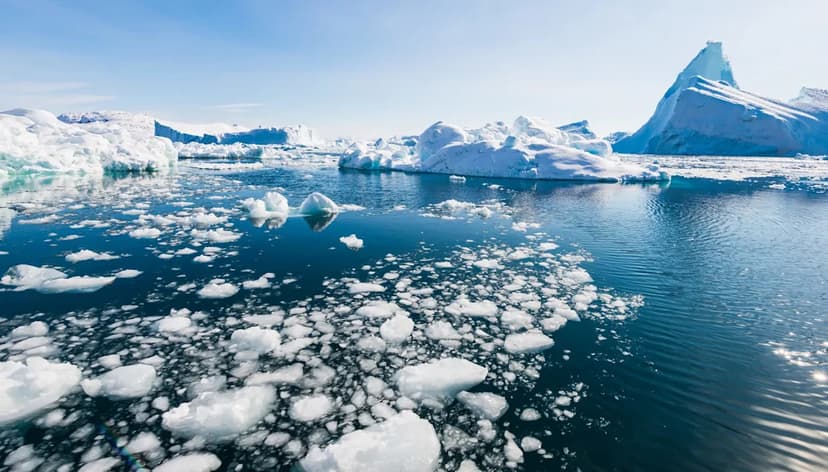
As of January 26, 2026, mounting evidence indicates that melting Arctic glaciers are irreversibly altering the planet. Temperatures in the Arctic region are consistently exceeding historical averages, with more frequent summer extremes. Satellite data collected over the past four decades reveals a sustained decline in Arctic sea ice.
This phenomenon has far-reaching consequences beyond the Arctic. Global sea levels are rising, increasing the risk of coastal flooding and threatening low-lying cities. Melting ice is also altering atmospheric conditions across the Northern Hemisphere, leading to more frequent heatwaves, extreme cold spells, floods, and droughts.
Numerous species depend on Arctic ecosystems, and the melting glaciers are disrupting their habitats and breeding cycles. Researchers emphasize the urgent need to decrease society's reliance on polluting energy sources such as coal, oil, and gas, as pollution directly contributes to rising global temperatures and ice melt. Without swift, targeted action, many animal species face population decline and potential extinction, and coastal communities are at risk of destruction.
Scientists predict that within decades, Arctic summers could be nearly ice-free, a scenario with significant and potentially irreversible global consequences. Efforts are underway to study Arctic ice melt and develop innovative solutions to prevent further loss. Raising awareness and adopting sustainable practices, such as transitioning to renewable energy, are vital steps individuals can take.