Home / Environment / Arctic Meltdown: Record Heat, Vanishing Ice
Arctic Meltdown: Record Heat, Vanishing Ice
29 Dec
Summary
- Arctic temperatures hit record highs for the 2024-2025 period.
- Sea ice extent reached its lowest point in 47 years of satellite records.
- The Arctic is warming four times faster than the global average due to fossil fuels.
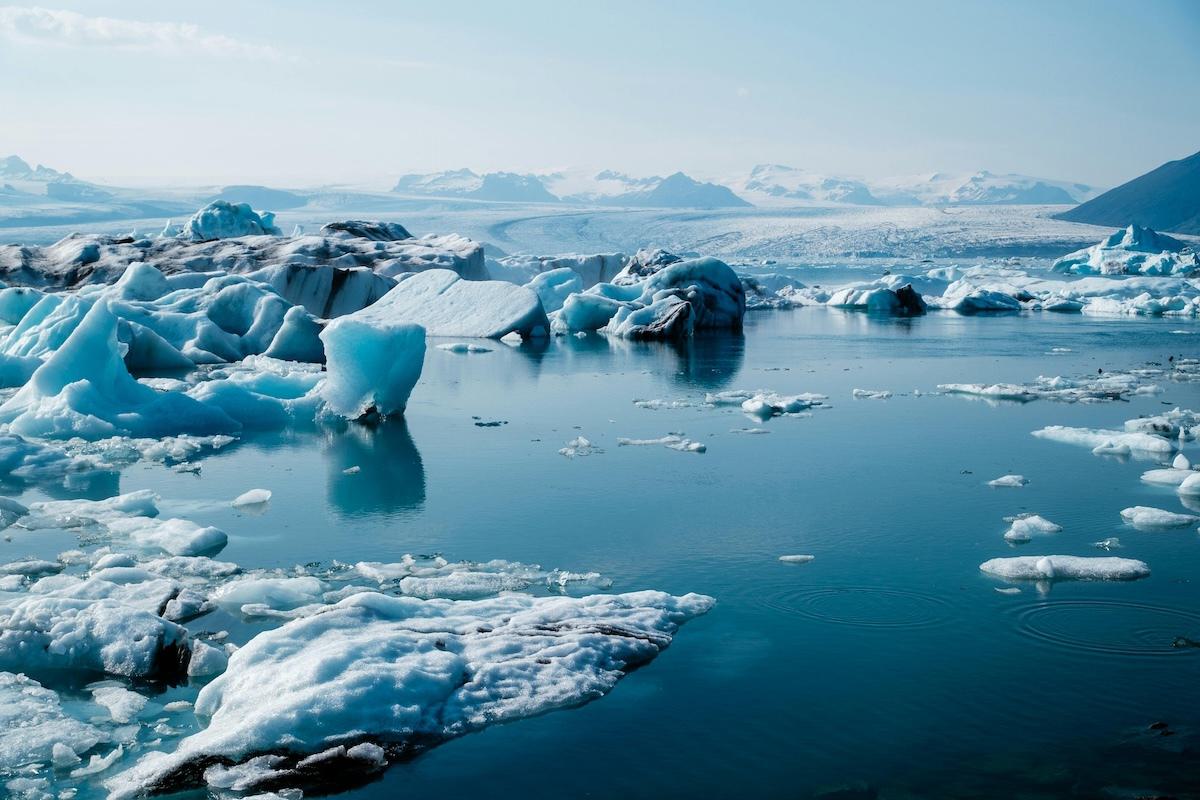
The Arctic region has concluded its warmest year on record, with temperatures from October 2024 to September 2025 reaching unprecedented levels in 125 years of monitoring. This extreme heat is contributing to a dramatic reduction in sea ice, with the maximum extent in 2025 marking a 47-year satellite record low. The Arctic's accelerated warming, occurring four times faster than the global average, is significantly altering its climate.
This warming trend is also making the Arctic rainier, with precipitation levels hitting a new yearly high. Much of this moisture is not settling as snow, leading to a stark decrease in June snow cover, which is now half of what it was six decades ago. Scientists observe changes even in winter, with rain occurring during the coldest months, redefining the Arctic's climate and impacting local ecosystems and travel conditions.
The consequences of the Arctic's transformation extend globally. Melting sea ice contributes to more heat absorption, while receding glaciers, such as the 129 billion tons lost from the Greenland ice sheet in 2025, directly cause sea level rise. These changes threaten coastal cities and disrupt global fisheries, underscoring the Arctic's role as a critical climate regulator.