Home / Environment / Grizzly Cameras Reveal Arctic Survival Secrets
Grizzly Cameras Reveal Arctic Survival Secrets
1 Feb
Summary
- Collar cameras on remote Arctic grizzlies offer a unique view of survival.
- Bears forage on caribou, musk oxen, berries, and seek fish.
- Research aims to understand food acquisition and denning sites for conservation.
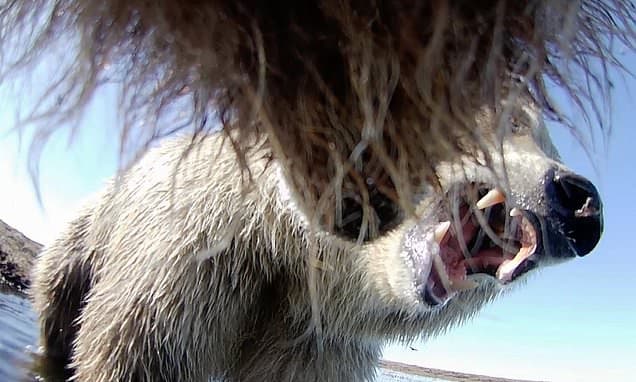
A groundbreaking research project is capturing the daily lives of one of the world's most remote grizzly bear populations on Alaska's North Slope. Twelve of the approximately 200 grizzlies roaming near the Arctic Ocean are wearing collar cameras, offering an unprecedented view of their survival tactics in the frigid, treeless terrain.
These videos reveal bears engaging in various activities, from playing and fighting to foraging for food. Their diet consists of caribou carcasses, musk oxen, berries like blueberries and soapberries, and fish. Unlike salmon-eating bears, these Arctic grizzlies are smaller, weighing up to 350 pounds, and have a limited eight-month window to build fat reserves for hibernation.
The research, a collaboration between Washington State University and the Alaska Department of Fish and Game, aims to understand the bears' food acquisition methods and identify critical denning areas. This information is vital for conservation efforts and for managing potential impacts from oil-field development, as companies must avoid denning sites when constructing winter roads.