Home / Environment / Arctic Explorer's 19-Month Polar Cabin Survival
Arctic Explorer's 19-Month Polar Cabin Survival
5 Mar
Summary
- Hilde Fålun Strøm endured 19 months in an uninsulated Arctic cabin.
- The cabin is 145 km from Longyearbyen, requiring dangerous travel.
- Their research provided vital data on polar bears and climate change.
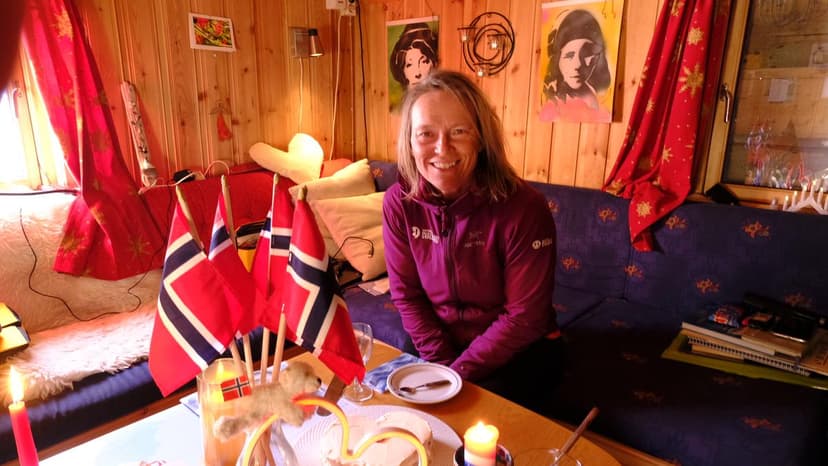
Hilde Fålun Strøm, a Norwegian citizen scientist based in Longyearbyen, Svalbard, has undertaken extended stays at Bamsebu, a remote trapper cabin. This 20 sq.m structure, built in 1930, lacks insulation, electricity, and plumbing, requiring reliance on a wood stove and collected driftwood for warmth.
The journey to Bamsebu is arduous, spanning 145 km over glaciers and frozen fjords, demanding travel by snowmobile and sledge. Strøm once experienced a storm that tore her snowmobile's windshield off mid-journey.
Strøm and fellow explorer Sunniva Sorby spent 19 months at Bamsebu, initially planning for nine months. Their expedition, aimed at citizen science, was extended by the COVID-19 pandemic, which halted travel for nearly two years.
During their extended stay, they continued vital research on polar bears and the tundra, acting as the sole scientific observers in the region. They communicated their findings, including the vulnerability of polar bears to climate change, to over 104,000 children globally.
Strøm's experiences underscore the harsh realities of the Arctic and the profound impact of climate change. She emphasizes the importance of empathy and collaboration in addressing the climate crisis, advocating for female leadership in conservation efforts.