Home / Environment / Antarctica's Ice Melts, Revealing Mineral Riches
Antarctica's Ice Melts, Revealing Mineral Riches
26 Feb
Summary
- Melting ice is exposing vast mineral deposits like copper and gold.
- An international treaty bans Antarctic mining until 2048.
- Future mineral demand could drive calls for Antarctic resource development.

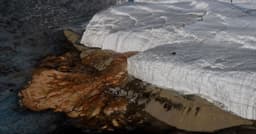
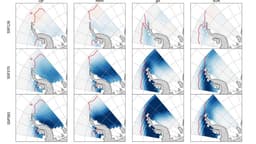
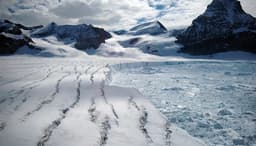
As global temperatures rise, Antarctica's protective ice sheets are thinning, revealing previously inaccessible land. A recent study predicts that significant portions of the continent, potentially tens of thousands of square miles, could be ice-free by 2300, depending on future greenhouse gas emissions.
These ice-free areas are expected to contain valuable mineral deposits, including copper, iron, gold, and platinum. The Antarctic Peninsula and the Transantarctic Mountains are identified as regions with the most promising geological potential. These projections are based on the continent's geological similarities to landmasses it was once connected to.
Currently, an international treaty prohibits mining in Antarctica. However, the treaty allows for potential modifications beginning in 2048. As more land becomes accessible and global demand for minerals like copper increases, nations may advocate for resource extraction.
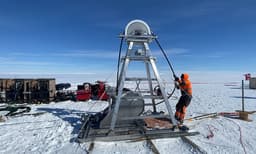
Challenges remain, including the continent's remoteness and harsh environmental conditions, which could complicate any future mining operations. Despite these difficulties, the changing climate is altering the accessibility of the frozen continent, prompting discussions about its future resource potential.