Home / Environment / Antarctic Krill: Tiny Critters, Global Impact
Antarctic Krill: Tiny Critters, Global Impact
11 Nov
Summary
- Krill sequester millions of tons of carbon annually.
- New marine protected areas in the Southern Ocean are blocked.
- Krill fishing is increasing, impacting wildlife feeding grounds.
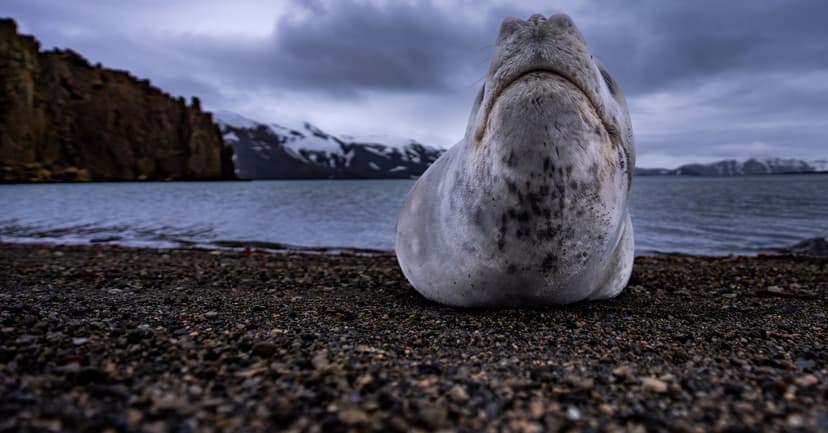
Antarctica's fragile ecosystem, vital for global climate regulation and nutrient distribution, hinges on krill, tiny crustaceans that play a significant role in the food web and carbon sequestration. These krill, responsible for trapping an estimated 20 million metric tons of carbon annually, are facing increasing demand from aquaculture, pet food, and supplement industries. Despite the ecological importance, negotiations for establishing new marine protected areas (MPAs) in the Southern Ocean, aimed at protecting 26% of its waters, have been deadlocked for 10 years. China and Russia have repeatedly blocked progress, preventing the attainment of global goals to protect 30% of the ocean by 2030.
Krill fishing has seen a dramatic increase, with catches nearly quintupling since 2009 to reach the limit of 620,000 metric tons. This surge, particularly from China and Norway, raises concerns as fishing is increasingly concentrated in specific areas that overlap with the feeding grounds of whales, penguins, and seals. Scientists like Matthew Savoca from Stanford University highlight that the current krill sub-area catch limits are insufficient to support recovering whale populations. Furthermore, climate change exacerbates threats to krill populations and their predators, with species like fur seals already listed as endangered.


