feedzop-word-mark-logo
searchLogin
Feedzop
homeFor YouUnited StatesUnited States
You
bookmarksYour BookmarkshashtagYour Topics
Trending
Terms of UsePrivacy PolicyAboutJobsPartner With Us

© 2026 Advergame Technologies Pvt. Ltd. ("ATPL"). Gamezop ® & Quizzop ® are registered trademarks of ATPL.

Gamezop is a plug-and-play gaming platform that any app or website can integrate to bring casual gaming for its users. Gamezop also operates Quizzop, a quizzing platform, that digital products can add as a trivia section.

Over 5,000 products from more than 70 countries have integrated Gamezop and Quizzop. These include Amazon, Samsung Internet, Snap, Tata Play, AccuWeather, Paytm, Gulf News, and Branch.

Games and trivia increase user engagement significantly within all kinds of apps and websites, besides opening a new stream of advertising revenue. Gamezop and Quizzop take 30 minutes to integrate and can be used for free: both by the products integrating them and end users

Increase ad revenue and engagement on your app / website with games, quizzes, astrology, and cricket content. Visit: business.gamezop.com

Property Code: 5571

Home / Environment / Antarctic Ice Shelves Melting Fast From Below

Antarctic Ice Shelves Melting Fast From Below

18 Jan

•

Summary

  • Antarctic ice shelves are melting from underneath due to ocean heat.
  • This basal melt is causing an estimated loss of 843 billion tonnes annually.
  • This melting contributes significantly to uncertain future sea level rise.
Antarctic Ice Shelves Melting Fast From Below

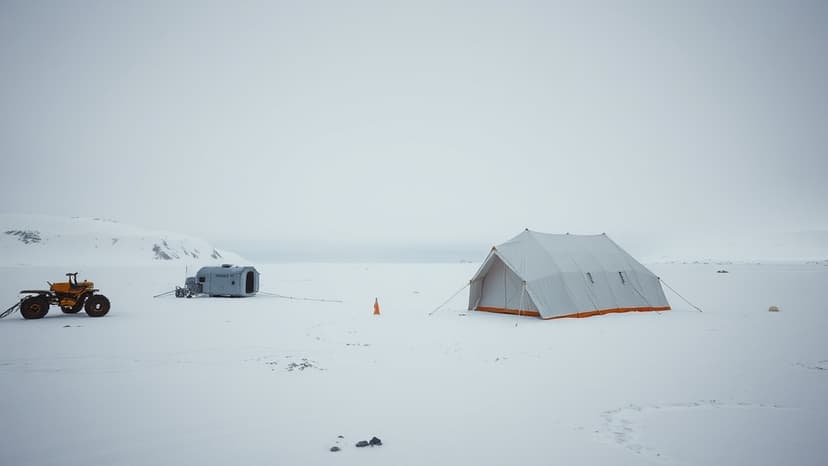
Antarctic ice shelves are experiencing significant melting from underneath due to warming ocean waters. This phenomenon, known as basal melt, is estimated to be causing the continent's ice shelves to lose approximately 843 billion tonnes of mass annually. This rate of loss is a major contributor to the uncertainty surrounding future global sea level rise projections.

Understanding this ocean-driven melting is urgent because it can destabilize ice shelves, accelerating the flow of the main ice sheet into the ocean. While ice shelves floating on water do not directly raise sea levels when they melt, their instability can lead to significant sea level increases. Scientists are using complex modeling and limited direct measurements to grasp the full extent of this under-ice activity.

Despite challenges in accessing the frigid environments beneath the ice shelves, research indicates that this melting poses a long-term risk. While some extreme sea level rise impacts may take centuries, the commitment to that ice loss occurs much sooner, depending on greenhouse gas emissions. The international community's focus on temperature targets is partly driven by the risk of destabilizing the Antarctic ice sheet.

trending

Snow squall warning issued

trending

Drew Lock to start

trending

49ers beat Seahawks in playoffs

trending

Air Force coach suspended

trending

Kirk Cousins joins CBS

trending

Damar Hamlin playoff absence

trending

Jeff Hafley to Dolphins?

trending

Broncos beat Bills

trending

Hardman recreates Super Bowl catch

Disclaimer: This story has been auto-aggregated and auto-summarised by a computer program. This story has not been edited or created by the Feedzop team.
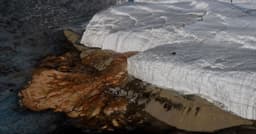
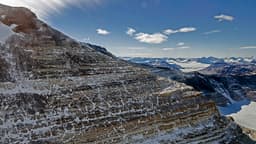
The Totten ice shelf is melting from underneath due to warming ocean waters reaching its base.
Basal melt refers to the melting of Antarctic ice shelves from below, driven by the warmer ocean.
Antarctic ice shelf melt is urgent because it destabilizes the ice sheet, potentially causing significant global sea level rise.

Read more news on

Environmentside-arrow

You may also like

Antarctic Ice Sheet's Violent Past Revealed

12 Jan • 28 reads

article image

Antarctic Ice Melt Threatens Global Ocean Balance

10 Jan • 68 reads

article image

Antarctic Expedition Tackles World's Fastest-Melting Glacier

8 Jan • 94 reads

article image

Thwaites Glacier: A Ticking Time Bomb Beneath Antarctica?

1 Jan • 103 reads

article image

Arctic Meltdown: Record Heat, Vanishing Ice

29 Dec, 2025 • 154 reads

article image