Home / Environment / Antarctic Ice Melt Threatens Global Ocean Balance
Antarctic Ice Melt Threatens Global Ocean Balance
10 Jan
Summary
- Accelerated ice-shelf melting and reduced sea-ice formation are key drivers.
- Dense shelf water production decrease impacts global ocean circulation.
- Ocean changes affect weather, food security, and marine ecosystems.
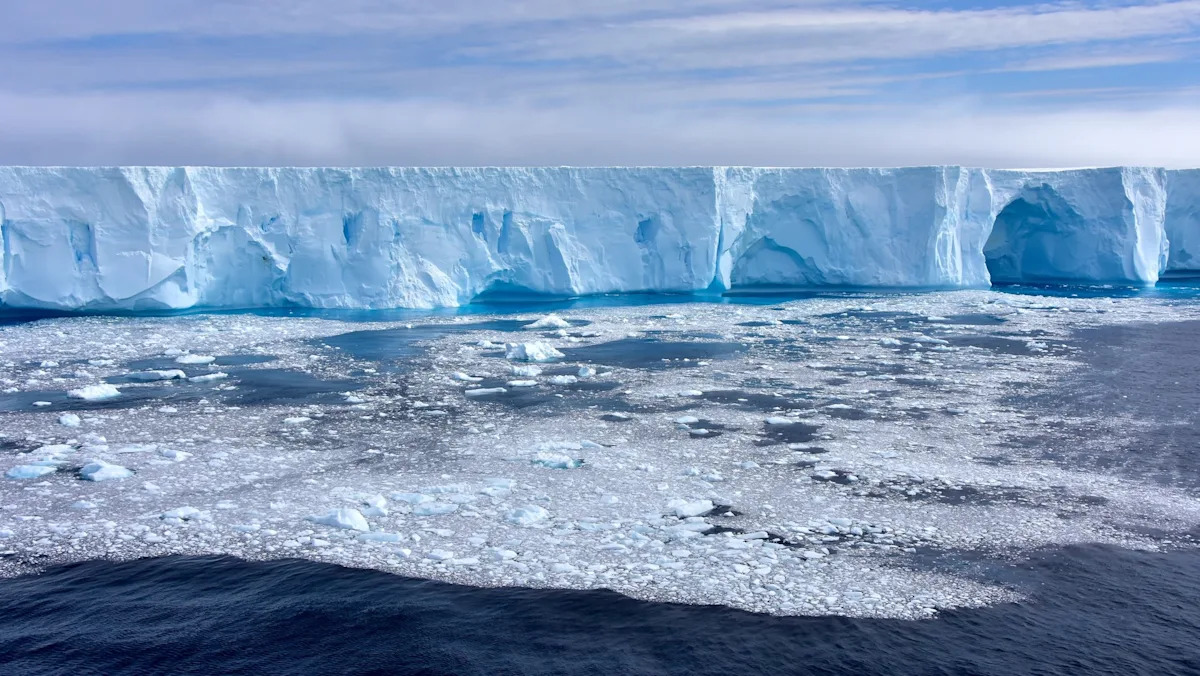
Researchers have simulated conditions in Antarctica's Cape Darnley region, revealing that accelerating ice-shelf melting and declining sea-ice formation are significantly impacting the creation of dense shelf water. This dense water normally sinks and drives global ocean currents, influencing climate worldwide. A reduction in its formation weakens this critical deep ocean conveyor belt.
The theoretical findings align with observed real-world changes. Between 2000 and 2020, the northward flow of Antarctic bottom water decreased by approximately 12%. This slowdown in ocean circulation can alter global weather patterns and potentially exacerbate extreme weather events. It also impacts marine biodiversity by limiting nutrient and oxygen transport.
These shifts in polar ice and ocean systems have far-reaching consequences for global food security and coastal livelihoods. Scientists are closely monitoring these changes, emphasizing the importance of understanding how distant polar regions affect life globally and encouraging local actions to mitigate air pollution that accelerates ice melt.