
Home / Environment / Antarctica's Ice Melts: The Triple Whammy
Antarctica's Ice Melts: The Triple Whammy
9 May
Summary
- Antarctic sea ice decline began around 2015, reaching record lows.
- Intensifying winds and warming deep ocean water melted the ice.
- Low ice could transition the ocean to a driver of global warming.
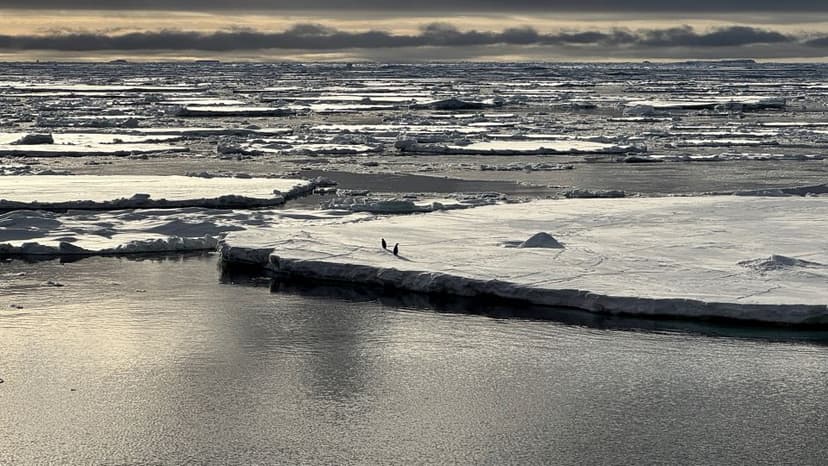
For decades, Antarctica seemed resistant to rapid ice melting, but this changed around 2015 when its sea ice began a steep decline.
Recent studies pinpoint a 'triple whammy' of climate chaos: decades of strengthening westerly winds, driven partly by pollution and ozone depletion, initially cooled the ocean. However, from approximately 2015, these winds began drawing warmer, saltier deep ocean water to the surface.
This warmer water melted existing ice, while increased surface saltiness altered ocean mixing, facilitating more heat transfer. By 2018, a feedback loop emerged where less ice meant warmer, saltier surface water, preventing new ice formation.
Scientists warn that if low sea ice persists, the ocean could shift from stabilizing climate to accelerating global warming, with potentially enormous consequences.
This loss impacts coastal ice sheets, reduces Earth's reflectivity, and could destabilize crucial ocean currents, further exacerbating global warming.
