Home / Environment / Wildlife Smuggling Skyrockets at Borders
Wildlife Smuggling Skyrockets at Borders
4 Jan
Summary
- California border agents see sharp rise in animal trafficking cases.
- Smuggled animals endure cruel conditions, often leading to death.
- New network aids confiscated animals, while laws aim to deter trafficking.
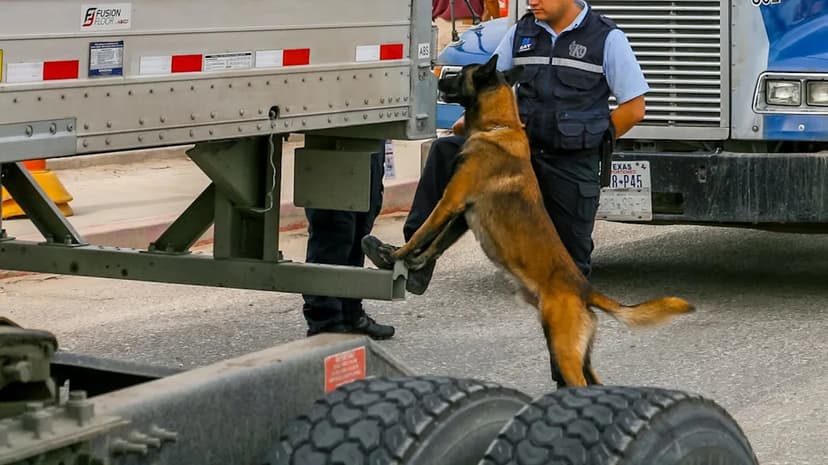
Agents at California's borders have reported a significant surge in animal trafficking incidents, with smugglers attempting to smuggle everything from elephant tusks to live exotic animals. Officials have recently confiscated protected species like live reptiles, corals, and primates, highlighting the growing problem. These animals often endure severe mistreatment, leading to injury, malnourishment, and even death during their perilous journeys.
The illicit trade poses substantial threats beyond animal welfare. Trafficked animals can disrupt native ecosystems if they escape or are released, and they may carry diseases that pose risks to livestock, pets, and humans. Enforcement remains challenging due to the immense volume of goods passing through ports and airports.
Efforts are underway to curb this crisis. The Wildlife Confiscations Network, established in 2023, facilitates the transfer of confiscated animals to appropriate care facilities. Furthermore, legislative measures such as the Captive Primate Public Safety Act aim to strengthen protections. Individuals can also contribute by avoiding the purchase of exotic pets or animal products and reporting suspicious activities.