Home / Environment / Snake's ancient journey: From Rome to UK's uncertain future
Snake's ancient journey: From Rome to UK's uncertain future
2 Aug
Summary
- An ancient Roman mission to combat plague introduced snakes.
- The Aesculapian snake became a lasting symbol of healing.
- UK snake populations face extinction due to inbreeding.
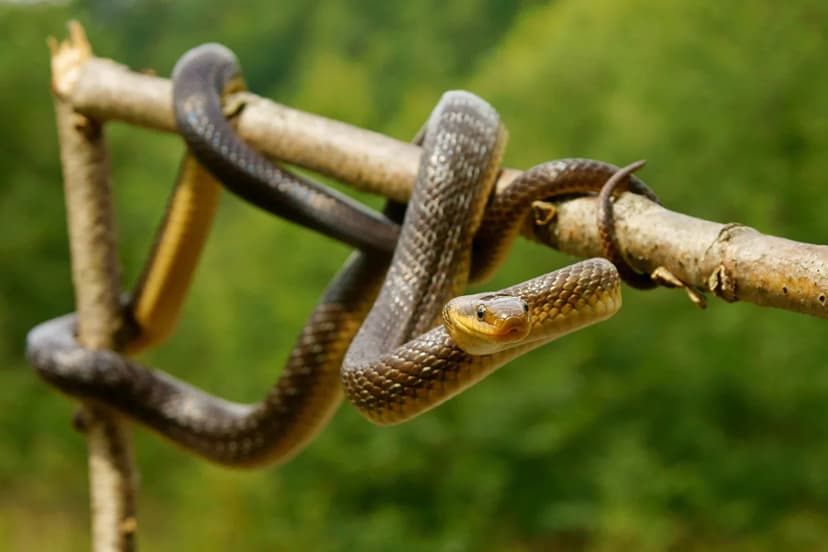
An ancient Roman mission to combat a devastating plague may have led to the enduring symbol of medicine: a snake wrapped around a staff. In the third century BC, a delegation seeking divine healing from Epidaurus, Greece, unexpectedly brought a snake back to Rome. This reptile's arrival was seen as a powerful omen, and its association with healing grew after the plague subsided and a temple was built where it disembarked.
The Aesculapian snake, or Zamenis longissimus, was subsequently spread throughout Roman territories and placed at healing sanctuaries. This human-assisted movement cemented its place as a lasting cultural icon, still visible in the Staff of Aesculapius used by numerous health organizations worldwide.
Britain's connection to this species is also a human narrative. While Aesculapian snakes may have arrived during the Roman era, current groups are thought to be more recent escapees or established populations. One such group in Colwyn Bay originated from the Welsh Mountain Zoo, while another has been present in London for decades, showcasing wildlife's adaptation to human-created environments.
Currently, the future of these isolated British snake populations is precarious, threatened by inbreeding depression. Without new genetic diversity, their survival is at risk, emphasizing the need for careful monitoring and informed decisions regarding potential intervention to preserve fragile wildlife populations.


