Home / Environment / Ancient Building Techniques Outshine Modern Architecture's Sustainability Promises
Ancient Building Techniques Outshine Modern Architecture's Sustainability Promises
22 Oct, 2025
Summary
- Building sector responsible for 37% of global pollution
- Seagram Building rated 3/100 for energy efficiency despite praise
- Ancient materials like stone use much less energy over a building's lifecycle
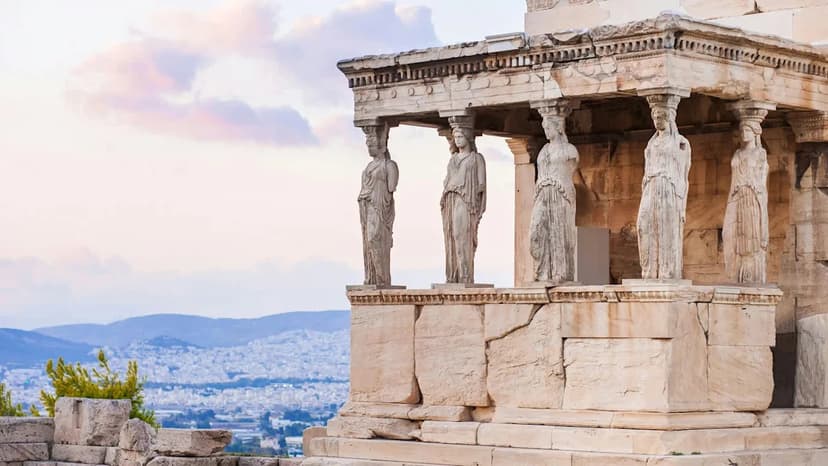
As of October 22nd, 2025, a new book has exposed the disconnect between modern architecture's sustainability claims and the industry's continued environmental impact. "Form Follows Fuel: 14 Buildings from Antiquity to the Oil Age," by professors Florian Urban and Barnabas Calder, compares contemporary structures with their pre-modern counterparts, highlighting the remarkable energy efficiency of ancient building techniques.
The book's findings are particularly damning for the building sector, which a recent UN report states is responsible for 37% of global pollution. "The production and use of materials such as cement, steel, and aluminum have a significant carbon footprint," the report added. Even celebrated modern buildings like the Seagram Building in New York, widely praised for its simple design, received an energy efficiency rating of just 3 out of 100 from the U.S. Environmental Protection Agency.
In contrast, the authors praise ancient building materials like stone for their low energy consumption over a structure's lifecycle. "With regard to energy consumption, the world has never had so many pharaohs," said professor Urban. "Even our most mundane buildings use more energy than the most extraordinary structures of the ancient world." The book highlights how traditional techniques like adobe homes and "green roofs" are making a comeback in the name of sustainability, offering a path forward for the industry to reduce its environmental impact.


