

Home / Environment / Lost Giant: American Chestnut's Majestic Return?
Lost Giant: American Chestnut's Majestic Return?
16 Apr
Summary
- American chestnuts once dominated eastern forests, supporting wildlife.
- A blight decimated billions of trees by the 1950s, causing extinction.
- Modern breeding aims to revive disease-resistant American chestnuts.
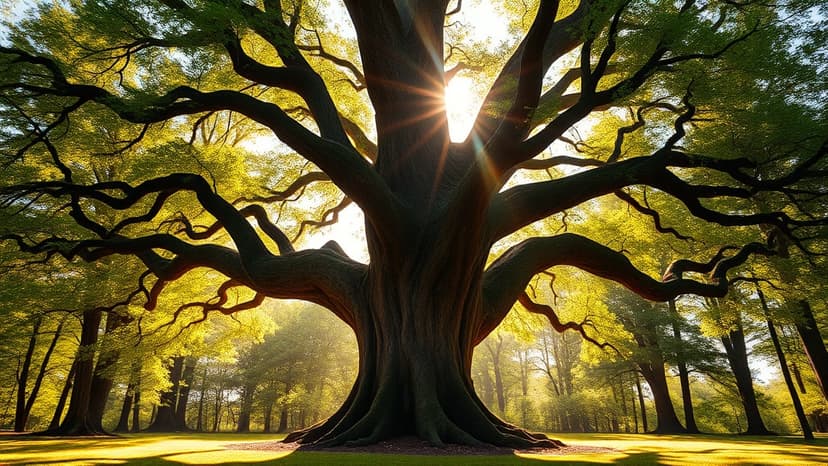
In the eastern United States, the American chestnut once reigned supreme, with billions of trees rising above the canopy. These giants were vital to the ecosystem, providing abundant food for wildlife and producing wood ideal for furniture and durable fence posts. Their ecological and economic impact was immense.
However, a devastating airborne fungal blight, coupled with a lethal root rot, led to their catastrophic decline. By the 1950s, the American chestnut was functionally extinct, a loss that dramatically altered the American landscape.
Few people alive today remember the species' former presence, but efforts are underway to bring it back. Chinese chestnuts, introduced for their nuts, possess disease resistance, and arborists are trying to crossbreed these traits into the American chestnut. Recent DNA sequencing offers a roadmap for developing more resilient trees.
Researchers are hopeful that in the coming decades, efforts will yield enough healthy trees for the species to recover, once again relying on natural seed dispersal by animals.
