Home / Environment / Alaska Wolves' Sea Otter Diet: A Toxic Surprise
Alaska Wolves' Sea Otter Diet: A Toxic Surprise
2 Jan
Summary
- Wolves in Alaska adapted by eating sea otters after deer vanished.
- Pleasant Island wolves show mercury levels 278 times higher than mainland.
- Melting glaciers may be flushing mercury into the marine food web.
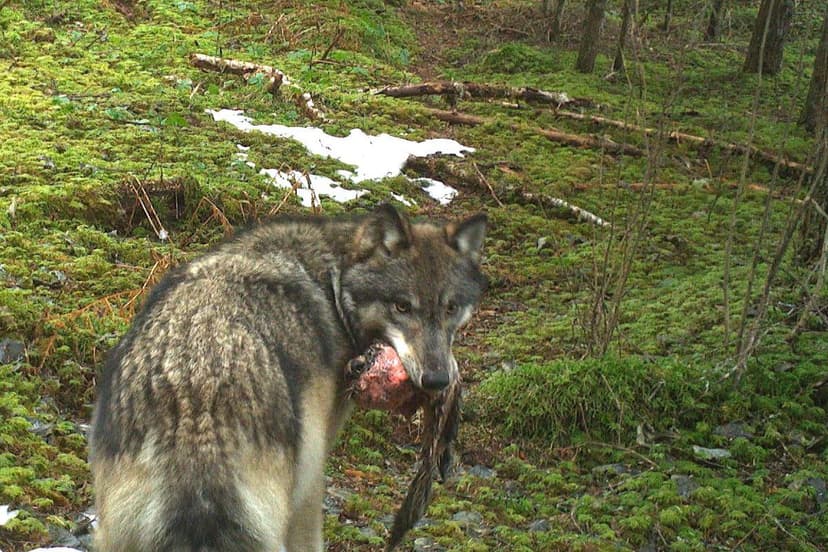
In Alaska, a unique adaptation by Alexander Archipelago wolves has led to a dangerous health crisis. After their primary prey, deer, was depleted on Pleasant Island, wolves began consuming sea otters, which now constitute a significant portion of their diet, alongside fish and birds.
This shift in diet revealed a severe health issue, with wolves on Pleasant Island exhibiting mercury contamination levels 278 times greater than those on the mainland. One wolf was found deceased with the highest mercury concentration ever recorded in the species, prompting further investigation into the cause.
Scientists hypothesize that melting glaciers in the Gulf of Alaska are releasing mercury, which then enters the marine food web, concentrating in sea otters. This concerning trend suggests a widespread environmental problem affecting coastal ecosystems and the wildlife that relies on them.