Home / Environment / North's Poor Breathe 33% More Toxic Air
North's Poor Breathe 33% More Toxic Air
19 Jan
Summary
- Low-income communities face 33% higher nitrogen dioxide levels.
- Air pollution linked to increased risk of severe health issues.
- Urban planning must adapt to local environmental inequalities.
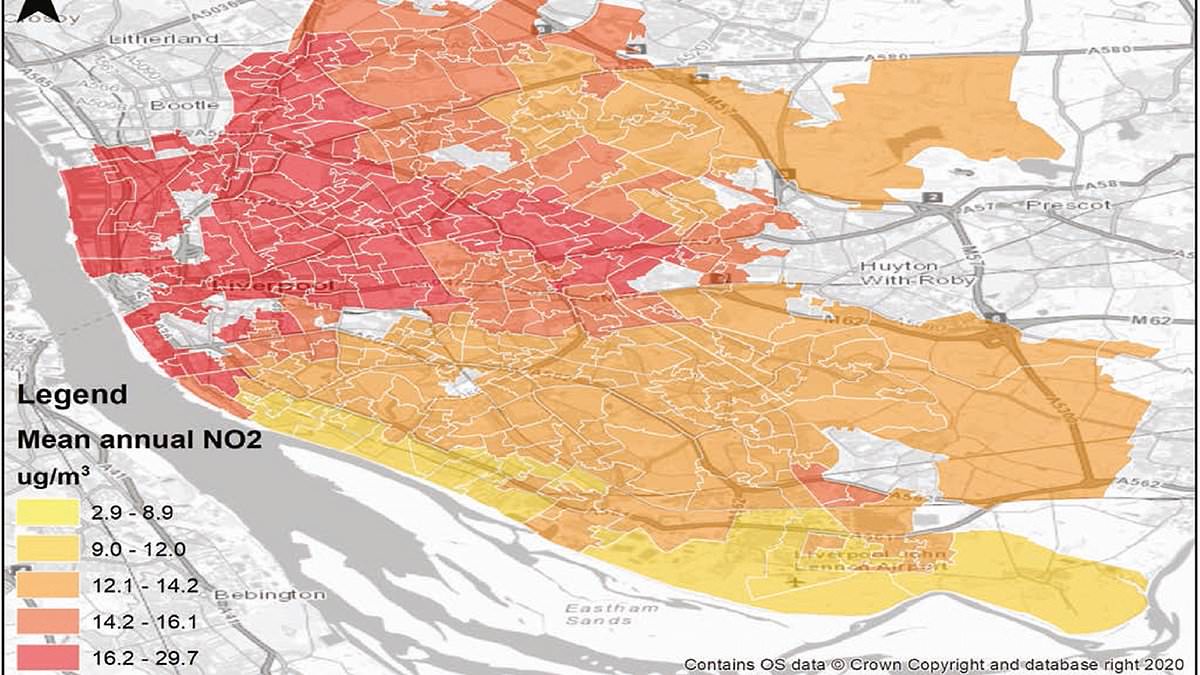
A recent study from Sheffield University has uncovered a significant air pollution disparity across major northern English cities, revealing that low-income communities breathe air with 33% more nitrogen dioxide (NO2) than wealthier neighborhoods. This difference is stark in cities like Leeds and Sheffield, where NO2 levels in deprived areas were over 40% higher, far exceeding the national average disparity of 15%.
The health implications of long-term exposure to elevated NO2 levels are severe, increasing the risk of serious cardiovascular and respiratory diseases, and in extreme cases, proving fatal. Dr. Maria Val Martin, an author of the study, highlighted that these communities face a triple burden of poor air quality, less green space, and proximity to traffic, impacting both physical and mental well-being.
Researchers advocate for a shift from a 'one-size-fits-all' approach to urban planning, urging planners to develop city-specific strategies. Solutions proposed include clean air zones, active travel initiatives, and enhancing green spaces. The study focused on 10 northern cities, with less pronounced inequalities found in places like Durham and Scarborough, suggesting a link to historical industrial development and urban layouts.