Home / Environment / AI Builds Beaches to Reverse Sea Level Rise Impact
AI Builds Beaches to Reverse Sea Level Rise Impact
16 Sep
Summary
- Artificial intelligence and satellite data predict erosion patterns.
- Submerged structures harness currents to accumulate sand.
- Technology aids coastal communities in adapting to climate change.
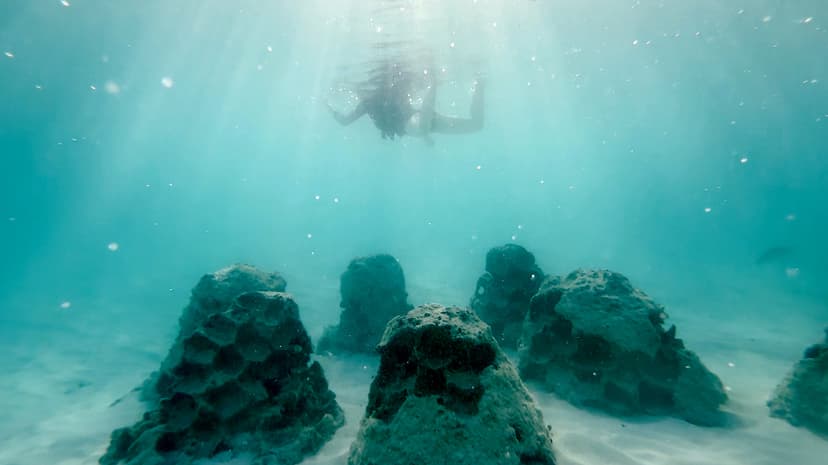
A decade-old experiment originating from the Massachusetts Institute of Technology has evolved into a viable solution for coastal erosion. Coastal Assembly, a public benefit company, is now deploying technology that uses artificial intelligence and extensive data analysis to predict how coastlines will erode.
This AI-driven system designs and installs submerged hexagonal structures made from marine concrete, sand, and shells. These structures are engineered to break up damaging waves while simultaneously utilizing currents to deposit sand and sediment, effectively rebuilding beaches.
Early trials in the Maldives have successfully extended a beach by approximately 90 feet and created a new sandbar using over 30,000 cubic feet of sand in just six months. This technology offers a faster, more cost-effective alternative to traditional coastal modeling.
Beyond rebuilding shorelines, the submerged structures have fostered new coral growth and attracted marine wildlife. Coastal Assembly has secured significant funding and plans further installations in the Maldives, Bahamas, Boston Harbor, and Miami, offering hope for communities worldwide facing the threat of rising seas.


