Home / Environment / Bees Buzz, Elephants Flee: Women Transform Conservation
Bees Buzz, Elephants Flee: Women Transform Conservation
1 Jul
Summary
- Women rangers use drones and AI to enhance conservation efforts.
- Beehives deter elephants, reducing crop damage by 75% in Tanzania.
- Data-driven conservation with SMART technology cut human deaths to zero.
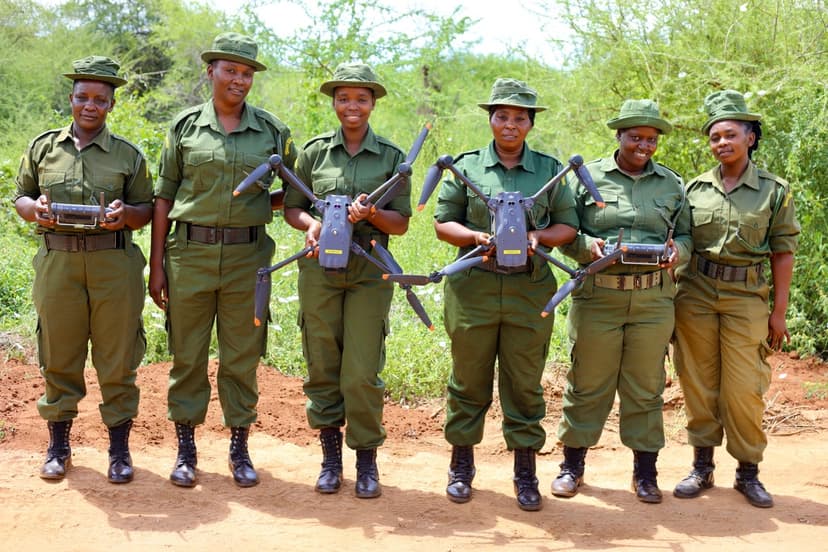
Across Africa, women are pioneering innovative conservation strategies, moving beyond traditional methods to protect vulnerable ecosystems. In Kenya, female rangers like Ruth Katumbi Mathitu and Muna Kalutu are now drone pilots, enabling faster response to illegal activities and wildlife emergencies by scanning vast areas from the sky. This technological integration, alongside AI platforms like VirtualRanger, allows for near real-time reporting of elephant movements and conflicts, significantly improving human-elephant coexistence.
In Zambia, Ruth Chitindi utilizes SMART technology to meticulously record human-wildlife conflict data, identifying problem areas and informing targeted interventions. This data-driven approach drastically reduced human deaths linked to such conflicts from 12 in 2023 to zero in 2025. Similarly, in South Africa, marine scientist Dr. Loraine Shuttleworth employs drones for advanced cetacean research, monitoring whale health and calf growth with unprecedented detail.
Farmers like Abigael Pertet in Kenya are experimenting with non-palatable crops to reduce elephant raids, while Tanzania employs beehive fences. These fences, simple yet effective, have led to a 75% reduction in crop damage by deterring elephants with bees. These initiatives highlight how women are not only leading conservation efforts but also creating economic opportunities through activities like honey harvesting.


