Home / Environment / Aeolian Islands Face Water Crisis: Desalination or Ships?
Aeolian Islands Face Water Crisis: Desalination or Ships?
13 Jul
Summary
- Islands debate building desalination plants versus ship water imports.
- Tourist influx significantly strains water resources during peak season.
- Desalinated water costs €2/m³, while shipped water costs €14/m³.
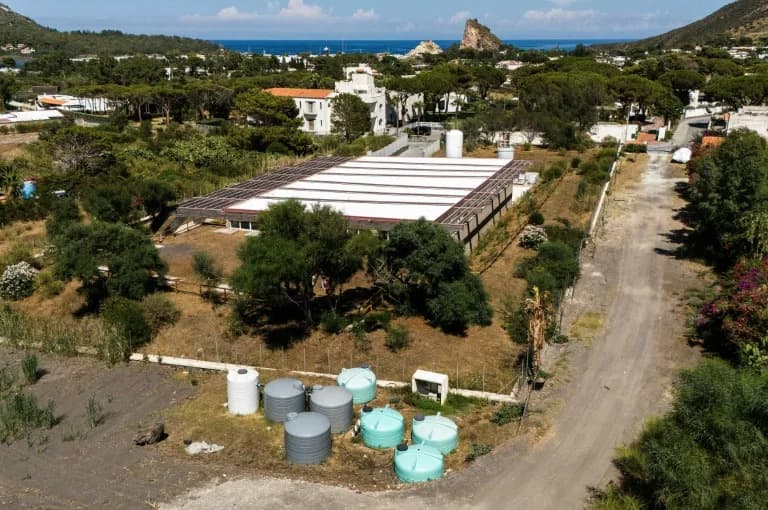
Residents of Italy's Aeolian Islands are at a crossroads, debating the necessity of building more desalination plants to meet demand, especially with the influx of tourists. An existing plant on Vulcano has secured its water autonomy, but other islands like Stromboli still depend on ships, facing disruptions during bad weather.
The archipelago's water supply is significantly impacted by tourism; in 2024, it welcomed 146,000 visitors to its approximately 15,000 year-round residents. While an engineer for the Vulcano plant stated they produce 300,000 cubic metres annually at around €2 per cubic metre, water shipped in costs approximately €14 per cubic metre, a price covered by the defense ministry.
Italy ranks second in the EU for desalination capacity, with 341 plants producing over 657,000 cubic metres daily. However, a proposal for four new plants on Alicudi, Filicudi, Panarea, and Stromboli is contentious due to environmental concerns in fragile ecosystems.
Environmental groups suggest that while desalination can be a response to hydrological crises, plants must be well-planned, considering tourist demand versus resident needs. They advocate for alternative solutions like water recycling and rainwater collection, urging a suspension of authorization procedures for new plants until these options are fully explored.


