Home / Environment / Millions Live on Landslide 'Time Bombs'
Millions Live on Landslide 'Time Bombs'
2 Aug
Summary
- 6.5 million Americans reside in homes near landslide zones.
- Eastern states have over half of exposed population.
- Rural communities face greater recovery challenges.
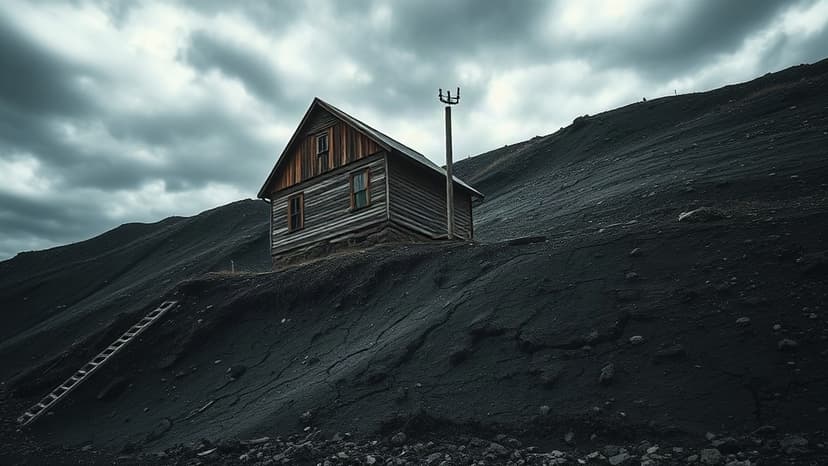
A groundbreaking study by the University of Washington reveals that approximately 6.5 million Americans live in homes situated on or adjacent to landslide-prone areas. Researchers developed the Landslide Exposure Database (LED), the first comprehensive national map detailing the overlap between landslide hazards and residential areas.
The findings indicate a significant disparity between urban and rural communities regarding landslide risk and their capacity for recovery. While Western regions like the Rocky Mountains, Alaska, and Hawaii have steep terrain, their lower populations contribute only about 4% to the total exposed individuals. Conversely, more than half of Americans in landslide-prone areas are located in eastern states.
Even states with relatively flat topography, such as Illinois, Minnesota, and Nebraska, have substantial populations living near hazardous slopes. Rural residents, who constitute 62% of those in landslide-prone areas, often face greater recovery obstacles due to fewer financial resources and less robust public infrastructure.
This disparity is particularly evident in areas like the Appalachian Highlands. Wealthier cities are advised to consider stricter zoning and policies that shift recovery costs to homeowners, while lower-income rural areas may benefit from enhanced public investment in early warning systems and disaster assistance.
The LED is expected to empower governments with better decision-making tools for land-use planning and disaster preparedness. It allows for the identification of specific buildings and neighborhoods at higher risk, enabling targeted inspections, improved evacuation strategies, and strategic infrastructure investments. The database also offers a foundation for studying how climate change, specifically extreme precipitation, might exacerbate landslide risks in the future.


