feedzop-word-mark-logo
searchLogin
Feedzop
homeFor YouUnited StatesUnited States
You
bookmarksYour BookmarkshashtagYour Topics
Trending
trending

Albino alligator Claude dies at 30

trending

College Football Playoff rankings reveal

trending

Duke defeats Florida, stays perfect

trending

Timberwolves edge Pelicans in OT

trending

Rupee crosses 90 against USD

trending

Thunder beat Warriors without Curry

trending

UConn defeats Kansas

trending

North Carolina defeats Kentucky

trending

USC Trojans defeat Oregon

Terms of UsePrivacy PolicyAboutJobsPartner With Us

© 2025 Advergame Technologies Pvt. Ltd. ("ATPL"). Gamezop ® & Quizzop ® are registered trademarks of ATPL.

Gamezop is a plug-and-play gaming platform that any app or website can integrate to bring casual gaming for its users. Gamezop also operates Quizzop, a quizzing platform, that digital products can add as a trivia section.

Over 5,000 products from more than 70 countries have integrated Gamezop and Quizzop. These include Amazon, Samsung Internet, Snap, Tata Play, AccuWeather, Paytm, Gulf News, and Branch.

Games and trivia increase user engagement significantly within all kinds of apps and websites, besides opening a new stream of advertising revenue. Gamezop and Quizzop take 30 minutes to integrate and can be used for free: both by the products integrating them and end users

Increase ad revenue and engagement on your app / website with games, quizzes, astrology, and cricket content. Visit: business.gamezop.com

Property Code: 5571

Home / Education / Teens Distrust News: Fake News Blame

Teens Distrust News: Fake News Blame

30 Nov

•

Summary

  • 84% of teens describe news media negatively.
  • Teens believe journalists fabricate stories and quotes.
  • Few teens see positive media portrayals in popular culture.
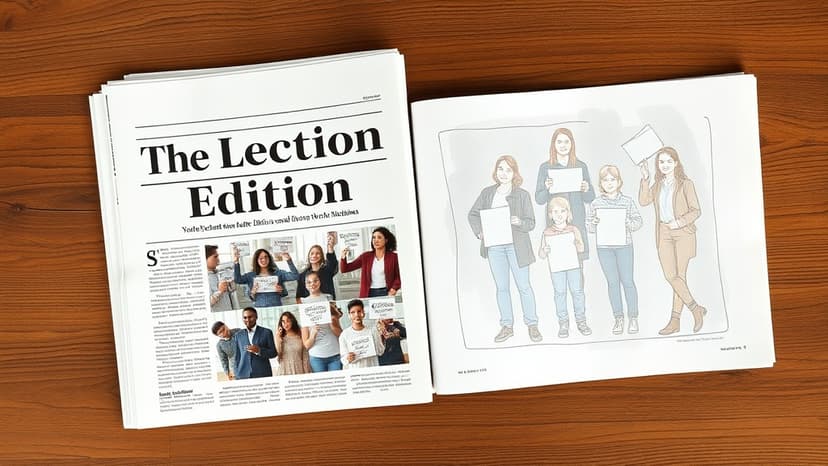
Teens Distrust News: Fake News Blame

A recent study reveals a deep-seated distrust of the news media among American teenagers. A staggering 84% of individuals aged 13-18 used negative terms like "biased" or "fake" when asked to describe the current media landscape. This skepticism extends to a belief that journalists regularly fabricate information, including quotes and story details.

The findings suggest that negative perceptions are influenced by both public discourse and a lack of exposure to legitimate journalism. Many teens admit their parents didn't instill news-watching habits, and educational programs focusing on media literacy remain scarce, leaving young people ill-equipped to discern credible sources.

Compounding this issue is the limited positive representation of journalism in popular culture. Unlike previous generations who were exposed to portrayals like "All the President's Men," today's youth often cite superficial or unflattering examples, further eroding respect for the profession and its vital role in society.


Disclaimer: This story has been auto-aggregated and auto-summarised by a computer program. This story has not been edited or created by the Feedzop team.
Teens perceive bias due to prevalent commentary, political division, and a lack of exposure to objective reporting practices.
Many teens suspect journalists fabricate stories, quotes, and engage in unethical practices like paying sources.
Flattering or educational portrayals of journalism are rare, with teens often citing misleading or comedic examples, impacting their perception.

Read more news on

Educationside-arrow

You may also like

NYT Fills High-Profile Theater Critic Role

3 hours ago • 1 read

article image

JYP K-Pop Eyes India's Booming Music Scene

1 Dec • 5 reads

article image

OTT Stars: The New Social Media Icons

28 Nov • 4 reads

article image

Hollywood Stars Head North for New Media Ventures

24 Nov • 5 reads

article image

Indonesia Battles Deceptive Social Media Ads Promoting Illegal Online Gambling

16 Nov • 73 reads

article image