Home / Education / Universal Pre-K: PA Debates Investment for Future
Universal Pre-K: PA Debates Investment for Future
4 Mar
Summary
- Only 44% of PA's 3- and 4-year-olds attend high-quality pre-K.
- Universal pre-K could boost parent wages by 22%, yielding $10 per dollar spent.
- Families spend over $12,000 annually on preschool, with costs prohibitive.
In Pennsylvania, only 44% of 3- and 4-year-olds are enrolled in high-quality, publicly funded pre-kindergarten programs, excluding approximately 84,000 children. This lack of access disproportionately affects Black children and those from low-income families, who often start school behind their peers. Research highlights early childhood education as a critical investment, with attendees showing improved long-term outcomes like higher graduation rates and reduced incarceration.
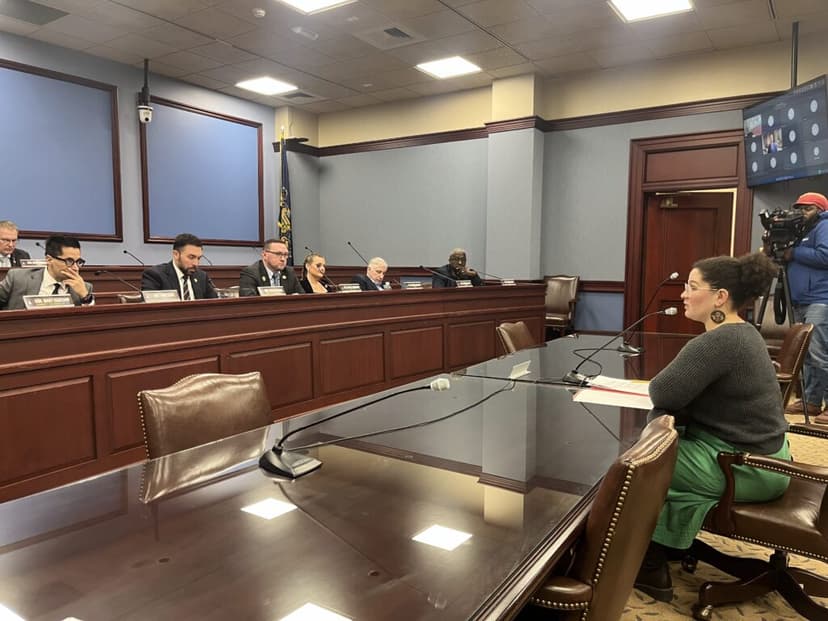
Legislators are examining proposals like House Bill 46 to expand universal pre-K, recognizing its economic benefits. Studies suggest parent wages could rise by nearly 22% with access to universal pre-K, and each dollar invested could yield $10 in broader societal benefits. Currently, families face annual preschool costs exceeding $12,000, a significant barrier for many, as exemplified by one parent's $15,600 annual expenditure in Philadelphia.
Discussions involve a mixed-delivery system, combining school-based programs with non-profit organizations to meet the demand. Proposals for funding universal pre-K include exploring severance taxes on natural gas extraction and additional taxes on high incomes, aiming to capture billions in revenue. Governor Josh Shapiro's proposed budget also includes increases for existing pre-K programs like Pre-K Counts and the Head Start Supplemental Assistance Program.