Home / Education / Grant System Harms Michigan's Rural Students
Grant System Harms Michigan's Rural Students
25 Mar
Summary
- Small districts lack staff for complex grant applications.
- Rural students miss opportunities due to grant system.
- Over-reliance on grants disadvantages smaller schools.
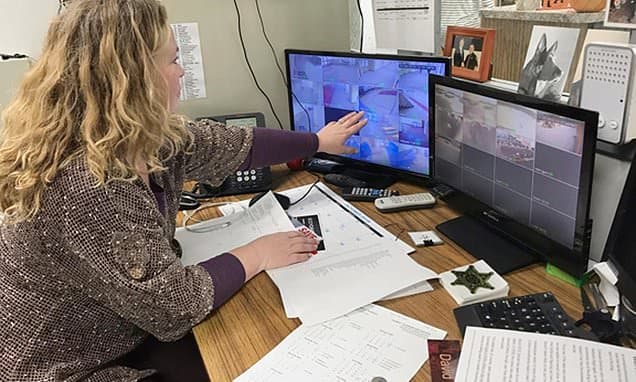
Small school districts in rural Michigan are disproportionately disadvantaged by the state's heavy reliance on competitive grants. Administrators in districts like Posen Consolidated Schools and Johannesburg-Lewiston Area Schools must often juggle grant writing with teaching, supervision, and other essential duties due to limited staff. This capacity gap means vital programs, from welding to advanced placement courses, are less accessible to students in smaller communities.
Officials and educators widely agree that the current grant system creates an unfair competition, where small districts are "minnows competing against sharks." Despite grants aiming to reduce disparities, the time and resources required to apply often prove insurmountable for understaffed rural schools. This system has led to concerns that students in these areas receive fewer opportunities compared to their peers in larger, more populated districts across the state.
The Michigan Department of Education does not track specific grant success rates for small versus large districts. However, local leaders consistently report that smaller schools, serving approximately 6% of the state's public school students, likely receive less than their fair share of available funding. This challenge is underscored by the fact that many administrators in these districts hold multiple roles, illustrating the severe staff imbalance compared to larger urban districts.
In Posen, for instance, Superintendent Michelle Wesner is seeking an $80,000 grant for a much-needed welding career tech program. Without grant funding, acquiring the necessary equipment and an instructor would necessitate significant budget cuts, impacting essential services like paraprofessionals, busing, or teaching staff. This highlights the critical need for alternative funding mechanisms that do not rely solely on competitive grant applications.