Home / Education / MA Schools' Timeout Rooms Under Fire Amid New Guidelines
MA Schools' Timeout Rooms Under Fire Amid New Guidelines
20 Feb
Summary
- Massachusetts is responding to seclusion claims with $3.6 million in grants.
- New guidelines aim to reduce timeout room use, but some parents remain concerned.
- Advocates highlight power dynamics and potential for student distress in timeout rooms.
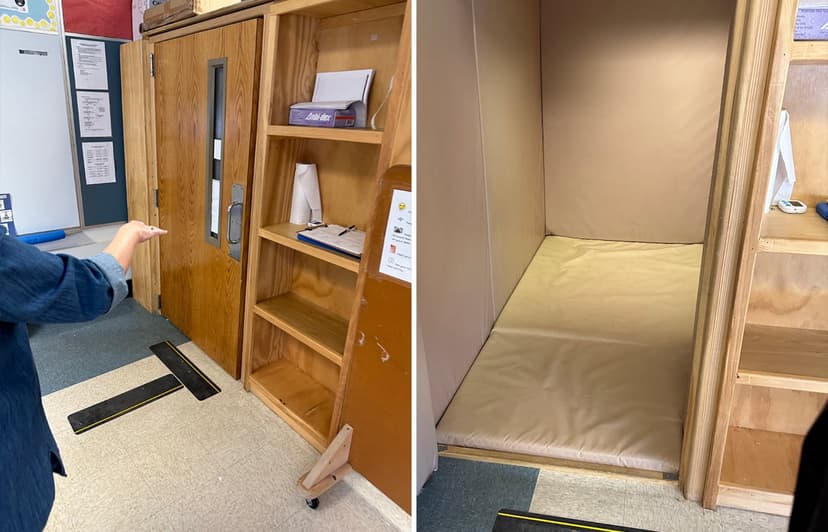
Massachusetts is providing $3.6 million in state grants and new guidelines to address concerns about schools secluding students in timeout rooms. These efforts follow claims that students were involuntarily secluded for extended periods. The grants will fund teacher training and therapeutic services to better manage behavioral challenges.
Despite these initiatives, some parents and advocates believe the new rules do not fully resolve issues surrounding seclusion. They highlight that even in unlocked settings, young students, particularly those with disabilities, may not feel empowered to leave. A specific incident involving a 5-year-old boy with autism at West Parish Elementary School in Gloucester has amplified these concerns, with reports of him being placed in a timeout room for 28 minutes.
Advocates stress that timeout rooms have disproportionately affected students with disabilities. While the Department of Elementary and Secondary Education stated the guidelines aim to reduce the use of these rooms, improve self-regulation, and enhance school climate, critics argue that the power imbalance between adults and children remains a significant issue. A federal bill introduced in December aims to make secluding students illegal, but it has not yet been voted on.