Home / Education / Classroom Purifiers: A Band-Aid on Delhi's Air Pollution Crisis?
Classroom Purifiers: A Band-Aid on Delhi's Air Pollution Crisis?
20 Dec
Summary
- Purifiers offer partial protection by reducing indoor exposure during school hours.
- Long-term evidence on lung growth and permanent protection from purifiers is limited.
- Proper maintenance and filter replacement are critical for purifier effectiveness.
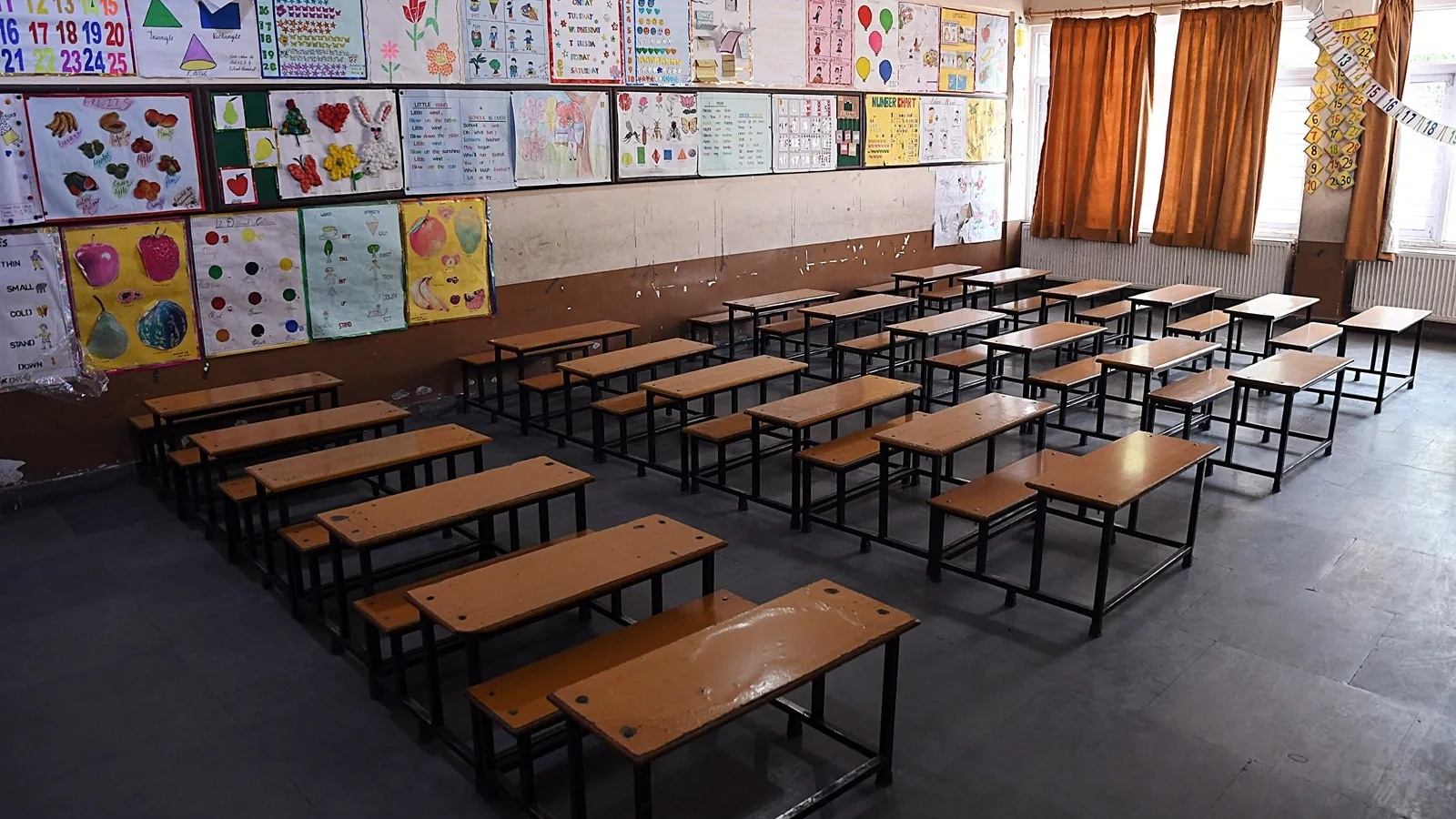
The Delhi government's initiative to install air purifiers in 38,000 school classrooms aims to reduce children's exposure to fine particles during school hours. These HEPA purifiers can significantly lower indoor pollution levels, offering partial protection by improving air quality within the enclosed spaces. However, this measure does not address the pollution children encounter during commutes, outdoor play, or at home, meaning overall exposure is only partially mitigated.
While studies suggest potential improvements in asthma symptoms and quality of life for some children, definitive evidence for long-term lung growth or permanent protection remains mixed and limited. The effectiveness of these purifiers hinges on using true HEPA filters, appropriate sizing for the room, and crucially, regular maintenance. Without proper upkeep, including filter replacement, their efficacy diminishes, potentially creating a false sense of security.
Experts emphasize that air purifiers provide immediate, localized relief but are not a substitute for addressing the root causes of air pollution through policies like cleaner transport and industrial controls. The most effective strategy involves combining short-term indoor air quality improvements with sustained public efforts to reduce outdoor pollution, ensuring children's safety across all environments.