

Home / Education / AI's Grip on Academia: Students Sound the Same
AI's Grip on Academia: Students Sound the Same
4 Apr
Summary
- AI chatbots are causing students to sound alike.
- AI erodes students' capacity for original thought.
- Educators adapt by restricting laptop use in class.
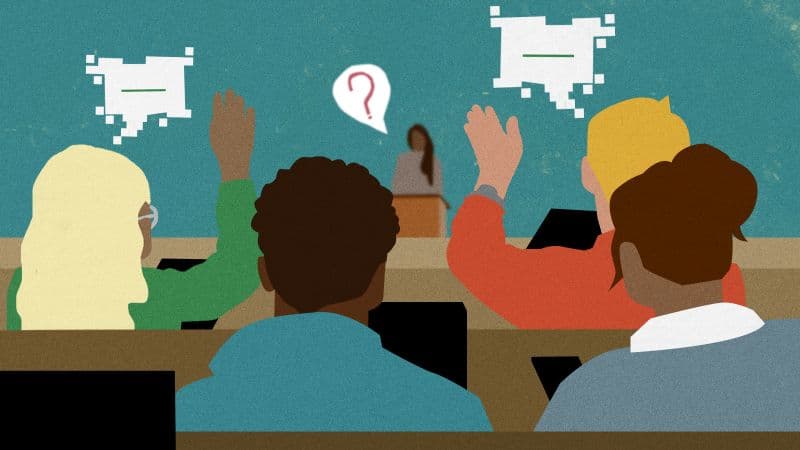
Students at Yale University are reporting a concerning trend: the widespread use of AI chatbots for academic work is leading to a notable homogenization of student expression and thought. Peers describe classmates sounding increasingly similar, with discussions lacking the diverse viewpoints previously present. This reliance on AI is seen as eroding students' ability to think originally and articulate unique perspectives.
Researchers confirm this trend, noting that large language models tend to reproduce dominant viewpoints, thereby narrowing the scope of human expression. This phenomenon is observed across language, perspective, and reasoning. Educators are beginning to adapt by implementing strategies such as limited or no laptop use in classrooms, emphasizing original thought and direct interaction.
The challenge for educators lies in balancing the integration of AI tools with the necessity of fostering critical thinking. Some professors are shifting towards in-class, handwritten assessments and oral exams to ensure students are genuinely engaging with the material rather than relying on AI-generated content. This shift aims to preserve the cognitive work essential for deep learning and problem-solving skills.
