Home / Education / Africa's Science Drain: Why Students Shun Labs for Books
Africa's Science Drain: Why Students Shun Labs for Books
2 Oct
Summary
- Few West African students choose science, impacting future innovation.
- Underinvestment, lack of labs, and fear of difficulty deter students.
- Governments strive to reverse the trend by reviving science disciplines.
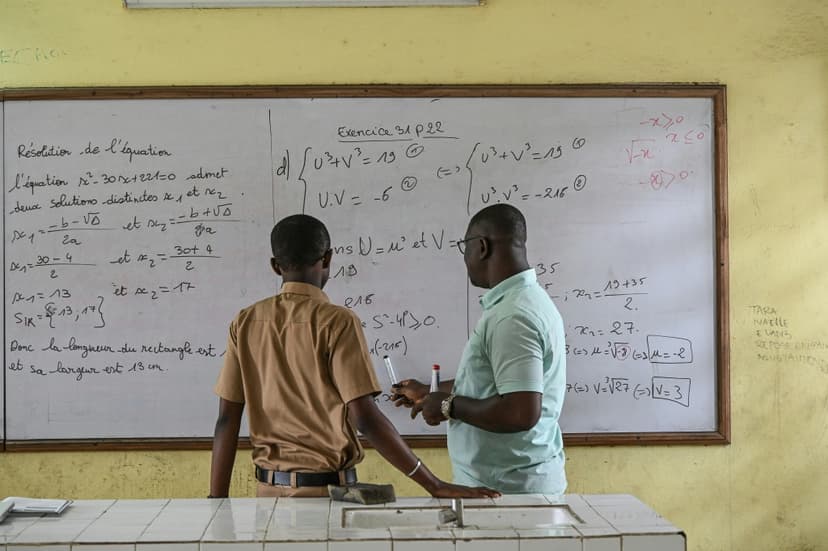
In West Africa, a noticeable trend shows fewer students opting for science subjects, impacting the region's future as innovators and researchers. For instance, Ivory Coast saw merely 0.6 percent of high school graduates in 2022 on the advanced maths-and-physics track, a sharp decrease from previous years. Similar declines are reported in Mali, Burkina Faso, Guinea, Senegal, and Niger, despite governmental pledges.
Educational officials cite chronic underinvestment, a scarcity of qualified teachers, and inadequate laboratory facilities as primary reasons for this slump. Many students perceive science as excessively demanding, preferring humanities streams. Compounding these issues, university curricula sometimes lag behind scientific advancements, and career prospects post-graduation can appear limited, leading to a significant brain drain as skilled professionals seek work overseas.
To counteract this, governments are initiating awareness campaigns, establishing science-focused schools, and expanding specialized programs. Ivory Coast is developing science hubs and preparatory classes to attract top talent in maths and physics. These efforts aim to reverse the decline and bolster the continent's capacity in critical sectors like medicine, AI, and manufacturing, which are vital for Africa's global competitiveness.


