Home / Education / Academia's Hidden Bullying Epidemic Revealed
Academia's Hidden Bullying Epidemic Revealed
7 Nov
Summary
- Academic bullying rates reach 68%, doubling general workplace levels.
- Students employ tactics like grade pressure and online reviews.
- BIPOC and junior staff face higher rates of peer bullying.
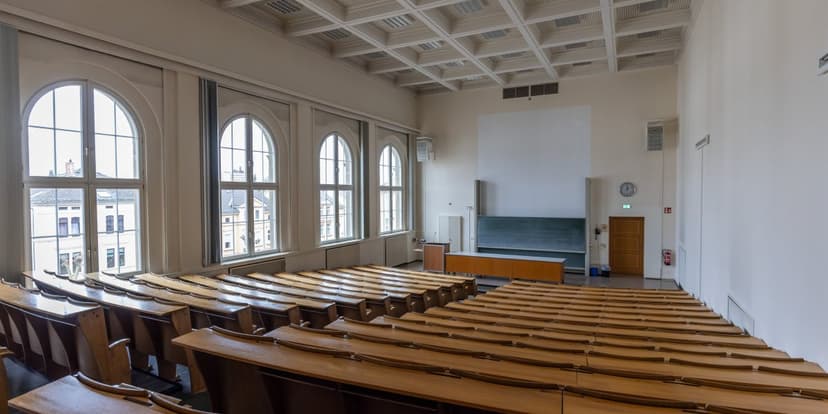
Workplace bullying in academia is a critical issue, with rates as high as 68% at some institutions, significantly higher than in general workplaces. This mistreatment, defined as intentionally harmful acts beyond incivility, deeply affects faculty and staff well-being and institutional integrity.
Junior faculty and staff, especially those from Black, Indigenous, or people of color communities, disproportionately experience bullying from peers. Conversely, senior faculty often report "contrapower harassment" from students pressuring them for better grades. These student tactics include threats of grade appeals, malicious complaints, and negative online reviews.
Such pervasive bullying creates a toxic environment, leading to mental health issues like anxiety and depression, decreased job satisfaction, and reduced productivity. Over time, this damages faculty-student relationships and the quality of education. Researchers are investigating the root causes and effective interventions to combat this growing problem, emphasizing the need for higher standards of conduct from all.
Studies indicate over 30% of adult workers in the U.S. and Canada experience workplace bullying, harassment, and abuse. The findings, published in the October 2026 Journal of Multidisciplinary Research and Practice, stem from a survey of 189 faculty and staff across Canada, the U.S., and the U.K. The research highlights that common issues from colleagues include unmanageable workloads and impossible deadlines, while student pressure over grades is more frequent.


