Home / Disasters and Accidents / WTC Dust: NYC Homes Contaminated by Toxic Residue
WTC Dust: NYC Homes Contaminated by Toxic Residue
8 Oct
Summary
- Residue from WTC towers contaminated homes, with scant guidance for residents.
- Asbestos and other toxins found in apartments near ground zero.
- Thousands of people diagnosed with ailments linked to toxic effects of collapse.
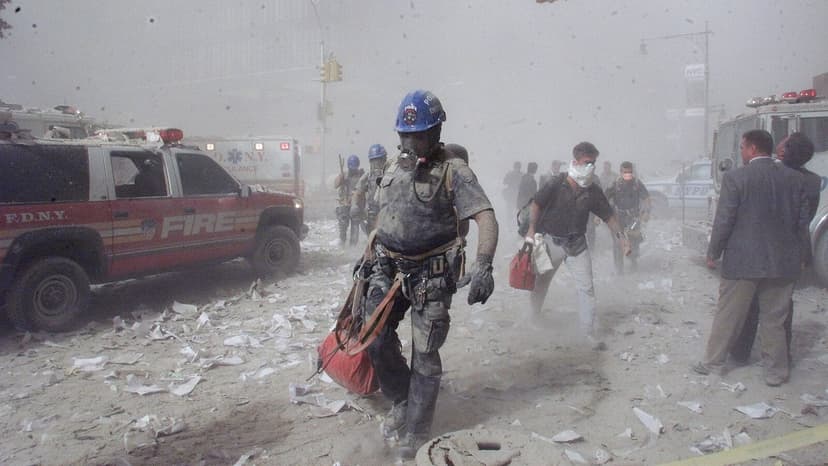
Newly released documents expose how residue from the World Trade Center towers contaminated the interiors of New York City homes, with officials offering limited advice to returning residents. In the immediate aftermath of the 9/11 attacks, authorities initially focused on air quality, downplaying the pervasive indoor dust.
Two industrial hygienists found elevated asbestos concentrations in dust and air samples from apartments near ground zero. This fine gray dust, a mix of pulverized concrete, fiberglass, asbestos, and other toxins, seeped into homes through various openings. It settled on surfaces and, when disturbed, became airborne, posing a prolonged health risk.
City officials delayed addressing the indoor contamination, allowing residents to return with advice to use wet mops for cleanup. More than 170,000 pages of records, stored for two decades, show confusion and finger-pointing among local and federal agencies regarding the cleanup.
Over 25 years later, more than 40,000 people who lived, worked, or studied downtown are enrolled in the World Trade Center Health Program, diagnosed with respiratory ailments, cancer, or other conditions linked to the towers' collapse. Documents indicate officials were reluctant to acknowledge the extent of home contamination.
The city's Department of Environmental Protection delegated interior cleanup testing and management to building owners, with varied compliance. Residents often cleaned their own apartments, advised to use wet rags and HEPA-filtered vacuums. Early guidance did not mandate masks or hazardous materials experts.
In late September and early October 2001, surveys found over 80 percent of residents in affected areas reported coughs or nasal irritation. A Health Department and ATSDR study from November-December 2001 found asbestos in 18 percent of indoor samples and over 40 percent of outdoor samples in 30 residential buildings.
By May 2002, a residential testing and cleaning program was announced, funded by FEMA. However, by then, many residents had already attempted to clean their homes, potentially too late to mitigate all health risks.


